Creamy Haitian Pumpkin Soup
Ever tasted a soup that feels like a warm hug and a life lesson at the same time? Creamy Haitian pumpkin soup, also known as soup joumou, does exactly that.
I still remember the first time I tried it and thought, “Okay… why doesn’t every soup try this hard?”
It tastes rich, comforting, and layered, yet it somehow keeps things simple and honest. That combo hooks you fast.
This isn’t just another pumpkin soup recipe floating around the internet. This soup carries history, culture, and serious flavor in every spoonful.
So grab a seat, because I’m about to walk you through why this soup matters, why it tastes so good, and why you’ll probably make it more than once. Ready? Let’s go.
What Makes Creamy Haitian Pumpkin Soup So Special?
Most pumpkin soups aim for cozy and stop there. Haitian pumpkin soup goes further.

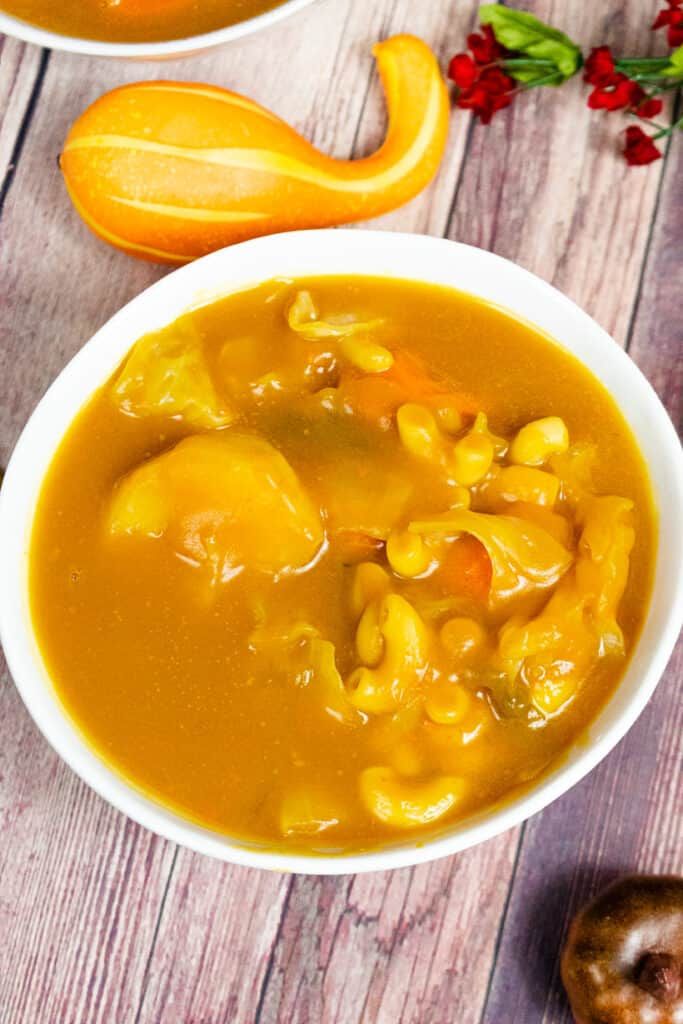
It builds depth with vegetables, herbs, pasta, and protein, all working together like a well-rehearsed band.
Ever wondered why one bowl feels like a full meal? This soup answers that question quickly.
Haitians traditionally serve this soup on January 1st to celebrate independence. That fact alone adds weight to every bite.
People didn’t just cook this soup for flavor; they cooked it for freedom. And honestly, knowing that makes it taste even better.
This soup also avoids being overly sweet. Many pumpkin soups lean hard into sugar and cream.
Soup joumou stays savory, balanced, and bold, which IMO makes it far more satisfying.
A Quick Backstory (Because Context Matters)
Why Soup Joumou Represents More Than Food
Back during colonial times, enslaved Haitians couldn’t eat pumpkin soup because slave owners claimed it for themselves.
After Haiti gained independence in 1804, Haitians reclaimed the soup as a symbol of freedom. That moment turned a simple dish into a powerful tradition.
Every January 1st, families gather, cook large pots, and share them with neighbors.
That ritual keeps the story alive. You don’t just eat this soup; you participate in history. Pretty wild for a bowl of soup, right?
How That History Shapes the Flavor
People cook this soup with intention. They season carefully, simmer patiently, and share generously.
That mindset shows up in the final result. The flavors feel thoughtful, not rushed. I swear you can taste the care.
The Core Ingredients That Make It Work
The Pumpkin (Or Squash) Base
Haitian pumpkin soup traditionally uses calabaza squash or Caribbean pumpkin. If you can’t find that, don’t stress.
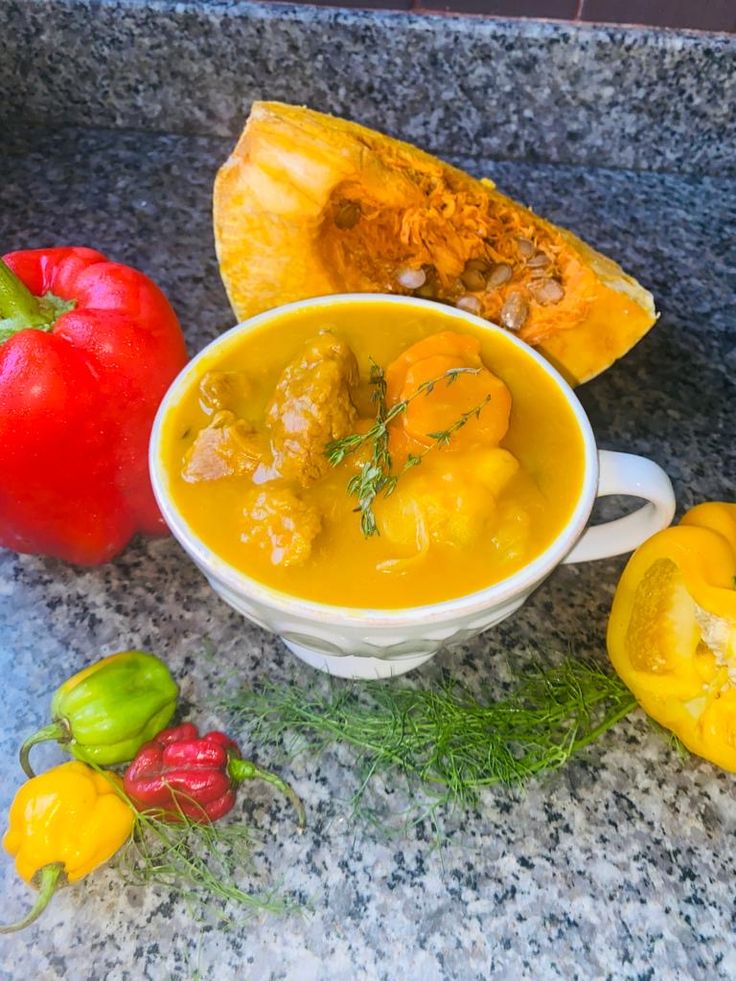
I often use butternut squash, and it still delivers creamy goodness without losing authenticity.
The squash creates:
- Natural creaminess without heavy cream
- A subtle sweetness that stays balanced
- A thick base that holds everything together
You blend the cooked squash until smooth, which gives the soup its signature texture. Ever noticed how it feels rich without feeling heavy? That’s the squash doing its thing.
Vegetables That Add Body and Balance
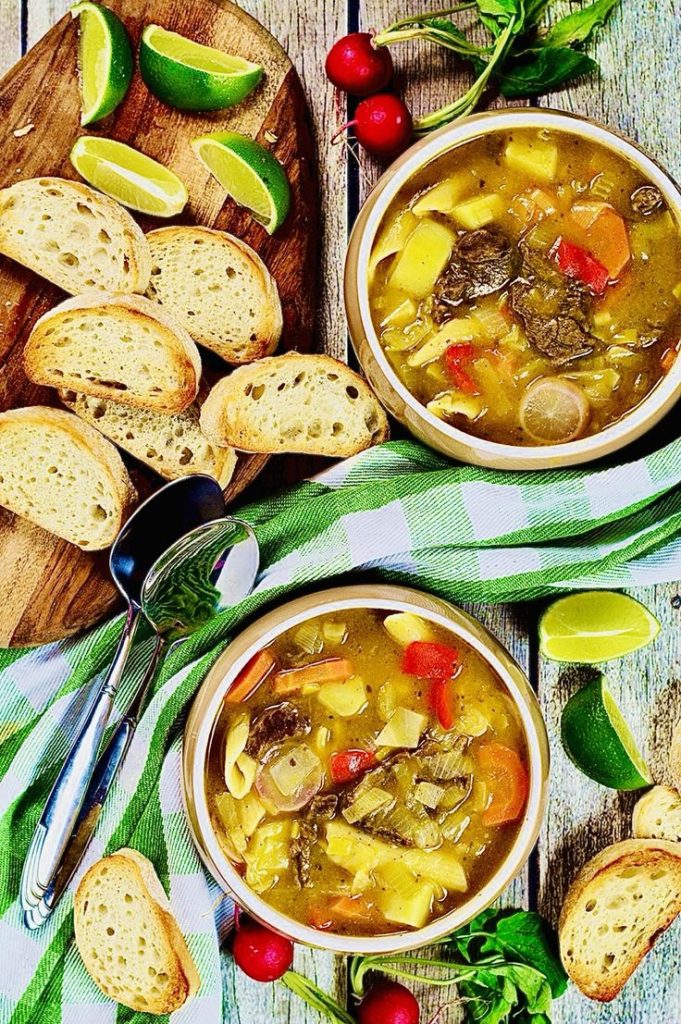
This soup doesn’t rely on pumpkin alone. It layers flavor with vegetables that actually matter.
Common veggies include:
- Carrots for sweetness
- Cabbage for texture
- Celery for depth
- Onions and leeks for aroma
Each vegetable plays a role. Nothing feels random here. Everything supports the squash instead of competing with it.
Protein and Pasta (Yes, Both)
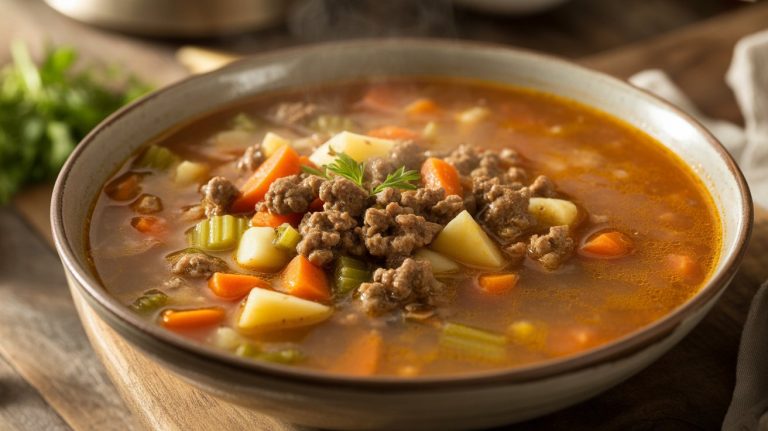
Here’s where things get interesting. Creamy Haitian pumpkin soup often includes beef and pasta. That combo surprises people, but it works beautifully.
- Beef adds richness and savory depth
- Pasta turns the soup into a full meal
Ever finished a soup and still felt hungry five minutes later? This one avoids that problem completely.
The Flavor Boosters You Shouldn’t Skip
Herbs and Spices That Carry the Soup
This soup leans on fresh herbs and warm spices, not heat. You won’t burn your mouth, but you’ll notice complexity.
Typical seasonings include:
- Thyme for earthiness
- Parsley for freshness
- Cloves for warmth
- Scotch bonnet pepper for aroma (not just heat)
FYI, you don’t need to turn this into a spicy challenge.
Many cooks leave the pepper whole and remove it later. You still get flavor without the fire. Smart move, right?
The Secret Weapon: Epis
If you know Haitian cooking, you know epis. This blended seasoning base includes garlic, peppers, herbs, and aromatics. I use it in everything once I make a batch.
Epis adds:
- Depth without overpowering
- Consistent flavor throughout the soup
- That “something extra” people can’t quite name
Skipping epis feels like skipping salt. You can, but why would you?
How Creamy Haitian Pumpkin Soup Comes Together
Step-by-Step Flow (Without Overthinking It)
I love this recipe because it rewards patience, not perfection. You don’t need fancy tools or chef-level skills.
The basic flow looks like this:
- Season and simmer the beef until tender
- Boil squash and vegetables until soft
- Blend the squash mixture until creamy
- Combine everything into one pot
- Add pasta and finish cooking
That’s it. No drama. No stress. Just steady cooking and occasional stirring.
Texture Matters More Than Speed
I learned quickly that rushing this soup ruins it. Letting flavors mingle creates that deep, comforting taste. Ever noticed how leftovers taste even better the next day? Same idea here.
I usually let the soup simmer gently once everything comes together. That step thickens the broth and smooths out sharp edges.
Common Mistakes (And How to Avoid Them)
Making It Too Sweet
Pumpkin already brings natural sweetness. Adding sugar or sweet cream throws things off fast. Stick to savory ingredients and let the squash do its job.
Overcooking the Pasta
Nobody wants mushy pasta floating around. I add pasta toward the end and watch it closely. Al dente works best because it keeps its shape.
Skipping the Blend
Some people try to mash the squash instead of blending it. That shortcut changes the texture completely. Blending gives you that signature creamy base. Don’t skip it.
Why This Soup Beats Regular Pumpkin Soup
Flavor Complexity
Regular pumpkin soup often tastes one-note. Haitian pumpkin soup layers flavors from meat, herbs, vegetables, and spices. Each spoonful feels different, and that keeps things interesting.
Cultural Depth
This soup carries meaning. You don’t just eat it; you connect with history. That emotional layer elevates the experience, whether you realize it or not.
Meal-Level Satisfaction
This soup fills you up. Between the beef, pasta, and vegetables, you get a complete meal in one bowl. No side dishes required unless you feel fancy.
How to Customize It Without Ruining It
Vegetarian or Vegan Options
I’ve made this soup without beef, and it still shines. I swap in:
- Extra vegetables
- Plant-based protein
- Vegetable broth
The key stays the same: don’t mess with the squash base and seasoning balance.
Lighter Versions
If you want a lighter bowl, reduce the pasta and load up on cabbage and carrots. You’ll keep the flavor while cutting heaviness.
Make-Ahead Friendly
This soup loves resting time. I often make it a day early and reheat it gently. The flavors deepen, and the texture improves. Win-win.
Serving Tips That Elevate the Experience
I like serving this soup hot with simple sides. Crusty bread works great, but honestly, the soup doesn’t need help.
A few quick tips:
- Garnish with fresh parsley for brightness
- Serve in deep bowls to keep it warm
- Share it with others, because tradition matters
Ever noticed food tastes better when shared? This soup proves that point every time.
Final Thoughts
Creamy Haitian pumpkin soup isn’t just food; it’s a story you can eat.
It brings comfort, history, and bold flavor together without trying too hard.
I love how it fills the kitchen with aroma and the table with conversation.
If you’ve never made it before, now feels like the right time. If you already love it, you know exactly why it deserves the hype.
So grab a pot, take your time, and enjoy every spoonful. Trust me, this soup sticks with you long after the bowl empties.