How to Make Homemade Boba Pearls
Ever ordered bubble tea, stabbed the cup with that comically large straw, and thought, “I wish I could make these chewy little legends at home”? Same.
I hit that exact moment years ago after paying way too much for one drink and realizing half the joy came from the boba itself.
So yes—learning how to make homemade boba pearls changed my life slightly… and my wallet a lot.
If you think making boba pearls at home sounds scary or overly technical, relax.
It’s actually simple, a little messy, and kind of fun. And once you nail it, store-bought pearls feel like a sad compromise.
Ready to roll? Literally? Let’s do this.
What Are Boba Pearls, Really?
Before we get our hands dusty with tapioca starch, let’s clear something up.
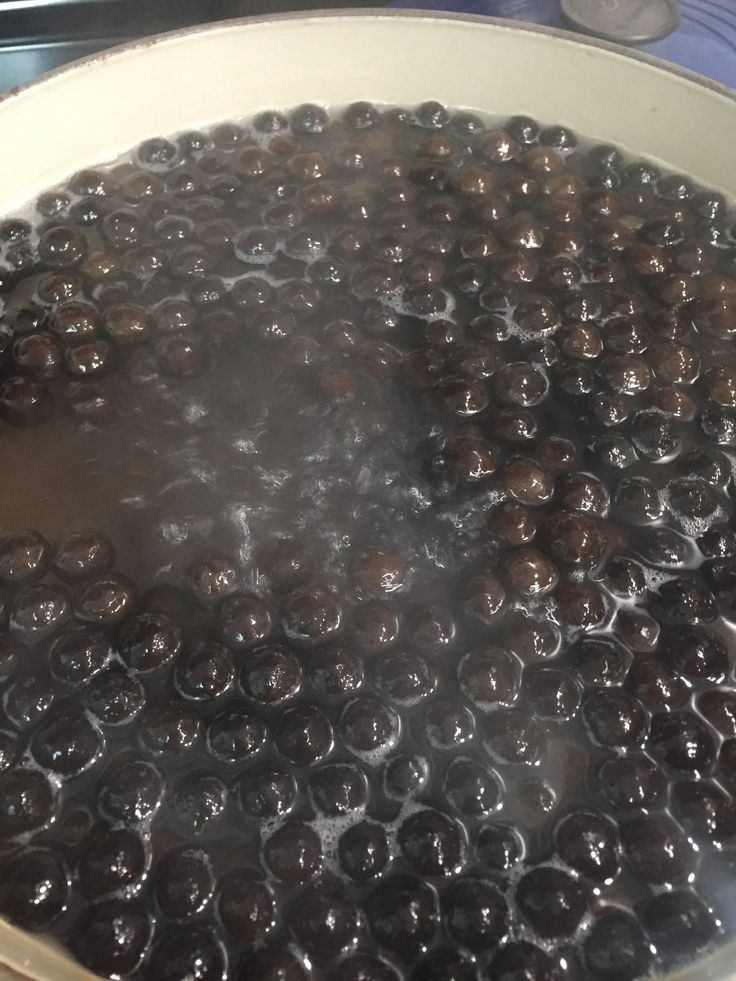
Boba pearls are chewy balls made primarily from tapioca starch, which comes from cassava root. No magic.
No weird additives. Just starch, liquid, and a bit of patience.
When done right, homemade boba pearls deliver that perfect chewy “QQ” texture—soft on the outside, springy in the center.
Ever wondered why café boba tastes better than the sad pearls you tried once at home? Spoiler: technique matters.
Why Make Homemade Boba Pearls Instead of Buying Them?
I’ll be honest—I tried the packaged stuff first. It worked, but it felt… meh.
Making boba from scratch gives you full control, and IMO, that’s where the magic lives.
Here’s why homemade wins every time:
- Better texture because you control the dough
- Custom flavors like brown sugar, matcha, or cocoa
- No preservatives or mystery ingredients
- Freshness that packaged pearls can’t touch
Plus, rolling boba pearls feels weirdly therapeutic.
Ever rolled tiny dough balls for 30 minutes and questioned your life choices? Just me? Cool.
Ingredients You’ll Need (Keep It Simple)
You don’t need a pantry overhaul. You need exactly three things.
Basic Homemade Boba Ingredients
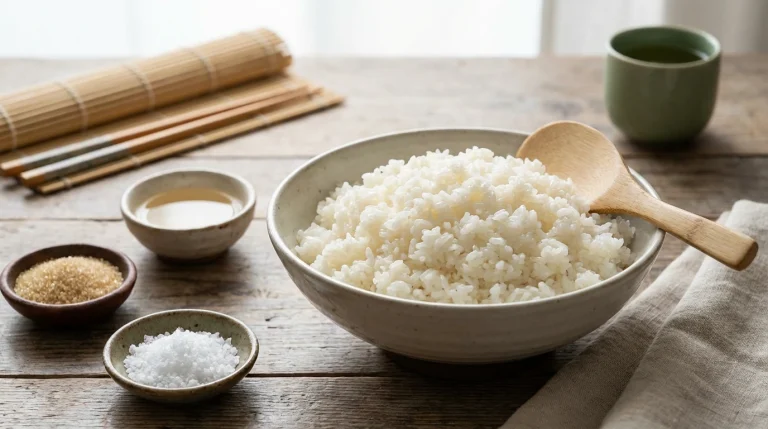
- Tapioca starch (this is non-negotiable)
- Brown sugar (for color and flavor)
- Water
That’s it. No eggs. No flour. No shortcuts. If you swap tapioca starch for something else, the boba won’t work. Trust me—I learned the hard way.
Choosing the Right Tapioca Starch
Not all tapioca starch behaves the same. Some brands absorb liquid better than others, which affects chewiness. I’ve tested a few, and Asian grocery store brands usually perform best.
Look for:
- Fine, white tapioca starch
- No added flavors or fillers
- A soft, powdery texture
FYI, tapioca flour and tapioca starch usually work the same, but always check the label.
How to Make Homemade Boba Pearls Step by Step
Now we get into the fun part. This section matters most, so slow down and follow along.
Step 1: Make the Brown Sugar Syrup
Add brown sugar and water to a saucepan and heat it over medium heat. Stir until the sugar fully dissolves and the mixture bubbles gently.
This syrup does two jobs:
- It sweetens the boba
- It binds the dough
Use the syrup while it’s hot. Cold syrup ruins the dough texture instantly.
Step 2: Mix in Tapioca Starch
Remove the syrup from heat and immediately add tapioca starch. Stir fast. The mixture looks weird at first—sticky, lumpy, chaotic—but keep going.
Once it cools slightly, use your hands to knead it into a soft dough. If it cracks, add a tiny bit of hot water. If it sticks, sprinkle more starch.
Ever wondered why boba dough feels different from regular dough? Tapioca starch gelatinizes when hot, creating that chew.
Step 3: Roll and Shape the Pearls
Cut the dough into small sections and roll each into thin ropes. Slice those ropes into tiny pieces, then roll each piece into a ball.
Yes, this takes time. Yes, your hands get tired. But uniform pearls cook evenly, so don’t rush.
Dust the pearls with tapioca starch to stop sticking. This step saves your sanity.
Step 4: Cook the Boba Pearls
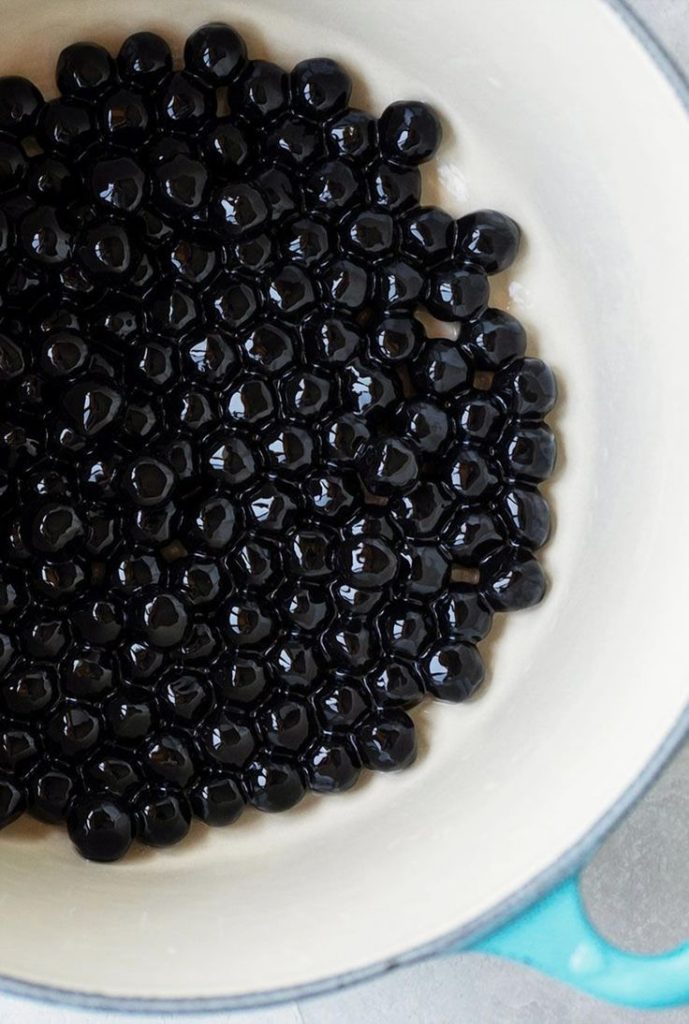
Bring a large pot of water to a rolling boil. Add the pearls and stir gently so they don’t clump.
Cook them for 20–25 minutes, then turn off the heat and let them sit in the hot water for another 20 minutes. This resting step locks in chewiness.
Drain the pearls and rinse lightly.
Step 5: Sweeten and Serve
Toss the cooked boba in fresh brown sugar syrup. This keeps them soft and shiny while adding flavor.
Serve immediately or within a few hours. Homemade boba doesn’t like waiting around. Neither do I, honestly 🙂
Common Mistakes (And How to Avoid Them)
I messed these up so you don’t have to.
Mistake 1: Using Cold Liquid
Cold syrup stops the starch from activating. Always mix while hot.
Mistake 2: Overcooking
Too long and the pearls turn mushy. Stick to the timing.
Mistake 3: Letting Boba Sit Dry
Dry boba hardens fast. Always store it in syrup.
Flavor Variations Worth Trying
Once you master the basics, customization becomes addictive.
Brown Sugar Boba
Classic and unbeatable. Deep caramel flavor with chewy perfection.
Matcha Boba
Replace part of the starch with matcha powder. Earthy and slightly bitter—in a good way.
Cocoa Boba
Add cocoa powder for chocolate milk tea vibes. Kids go feral for this one.
Each version follows the same process. Only the dry mix changes.
How Homemade Boba Compares to Store-Bought
Let’s be real—store-bought pearls exist for convenience, not excellence.
Homemade boba pearls:
- Softer chew
- Better flavor absorption
- No weird aftertaste
Packaged boba pearls:
- Faster
- Shelf-stable
- Slightly rubbery
If you care about texture—and boba fans always do—homemade wins. Every time.
Best Drinks to Pair with Homemade Boba Pearls
Boba deserves a good partner.
Try these favorites:
- Classic milk tea
- Thai iced tea
- Brown sugar milk
- Taro milk tea
- Iced coffee (don’t knock it till you try it)
Ever dropped fresh boba into iced coffee and felt weirdly proud? Yeah, that’s growth.
Storing Homemade Boba Pearls
Short answer: don’t.
Long answer: homemade boba tastes best the same day. If you must store it, keep it submerged in syrup at room temperature for up to 4 hours.
Refrigeration hardens boba. Freezing ruins it completely. Fresh or nothing.
Is Making Homemade Boba Pearls Worth It?
Absolutely—if you care about quality. Making boba pearls at home feels like unlocking a secret level of bubble tea fandom.
You control:
- Texture
- Sweetness
- Flavor
- Freshness
And honestly? The bragging rights hit different.
Final Thoughts on How to Make Homemade Boba Pearls
Learning how to make homemade boba pearls turns bubble tea from a treat into a craft.
You get better texture, better flavor, and full control over what goes into your cup.
Sure, it takes a bit of effort. But once you sip that first drink with fresh, chewy boba you made yourself, the payoff feels huge.
So grab some tapioca starch, clear your counter, and roll those pearls like a pro.
And hey—if you mess up the first batch, welcome to the club. The second batch always slaps harder