How to Panfry Salmon Fillets
Ever pulled a salmon fillet out of the pan and thought, “Why does this look sad?” Yeah, same.
I spent years overcooking salmon, under-seasoning it, or somehow doing both at once (talent, I guess).
But once I nailed how to panfry salmon fillets properly, everything changed. Crispy skin, juicy center, zero drama.
If you want restaurant-quality salmon without fancy gear or culinary school vibes, you’re in the right place.
Let’s talk pan, heat, timing, and a few sneaky tricks I swear by.
Why Panfrying Salmon Beats Almost Every Other Method
I love grilled salmon, but panfrying wins when I want control. You control the heat, the crust, and the doneness without guessing.
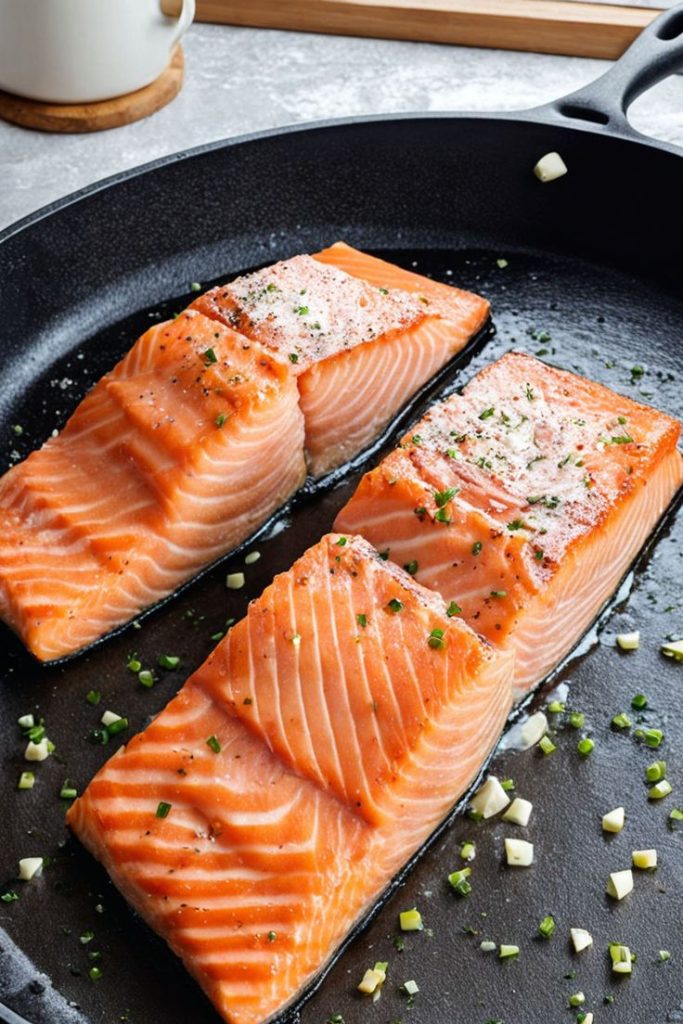
Plus, panfried salmon works any night of the week, even when the weather refuses to cooperate.
Panfrying also delivers that golden crust people fight over.
Ever wondered why restaurant salmon looks better than yours? They use a hot pan and patience. Shocking, right?
Here’s why panfrying salmon fillets works so well:
- You get crispy skin without drying out the fish
- You control doneness down to the minute
- You need minimal equipment—just a pan and spatula
- You build flavor fast with butter, garlic, or herbs
IMO, panfrying gives you the biggest payoff for the least effort
Choosing the Right Salmon Fillets
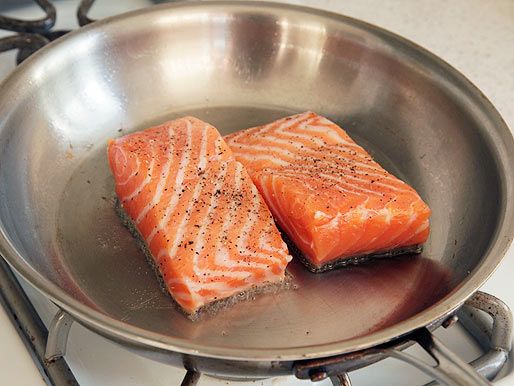
Not all salmon behaves the same in a pan. I learned this the hard way after buying random fillets and blaming myself when things went wrong.
Start with the right fish, and half the battle disappears.
Fresh vs Frozen Salmon
Fresh salmon feels ideal, but frozen salmon works beautifully if you thaw it correctly.
I thaw frozen fillets overnight in the fridge, then pat them dry like my life depends on it.
Best Cuts for Panfrying
Look for:
- Skin-on fillets for crispiness and protection
- Even thickness so the fish cooks evenly
- Bright color and firm texture
Avoid super-thin tail pieces unless you enjoy dry salmon. Nobody enjoys dry salmon.
Essential Tools for Panfrying Salmon Fillets
You don’t need a celebrity chef setup, but the right tools make life easier. I used to fight my pan until I upgraded. Lesson learned.
The Best Pan
I reach for:
- Cast iron when I want maximum crust
- Stainless steel when I feel confident
- Nonstick when I want zero stress
Cast iron gives the best crust, but nonstick saves sanity. Choose your battles.
Other Must-Haves
- Fish spatula (thin and flexible)
- Paper towels for drying the fish
- Instant-read thermometer if you like precision
FYI, you don’t need a thermometer, but it helps if you overthink cooking like I do.
How to Prep Salmon Before It Hits the Pan
This step separates great salmon from “meh” salmon. I never skip it.
Dry the Salmon Thoroughly
Water kills crispiness. I pat each fillet dry until the surface feels slightly tacky. That texture means you’re on the right track.
Season Simply
I keep it basic:
- Salt
- Black pepper
- Optional garlic powder or smoked paprika
I season right before cooking. Salt early if you want, but I rarely bother.
Bring Salmon to Room Temperature
Cold fish sticks and cooks unevenly. I let fillets sit out for 10–15 minutes. Ever noticed how calmer everything feels when you stop rushing? Same energy here.
How to Panfry Salmon Fillets Step by Step
This section does the heavy lifting. Follow this once, and you’ll cook salmon confidently forever.
Step 1: Heat the Pan Properly
I heat the pan over medium-high until it feels hot but not smoking aggressively. Then I add oil with a high smoke point like avocado or canola oil.
Hot pan + proper oil = no sticking. That combo never fails me.
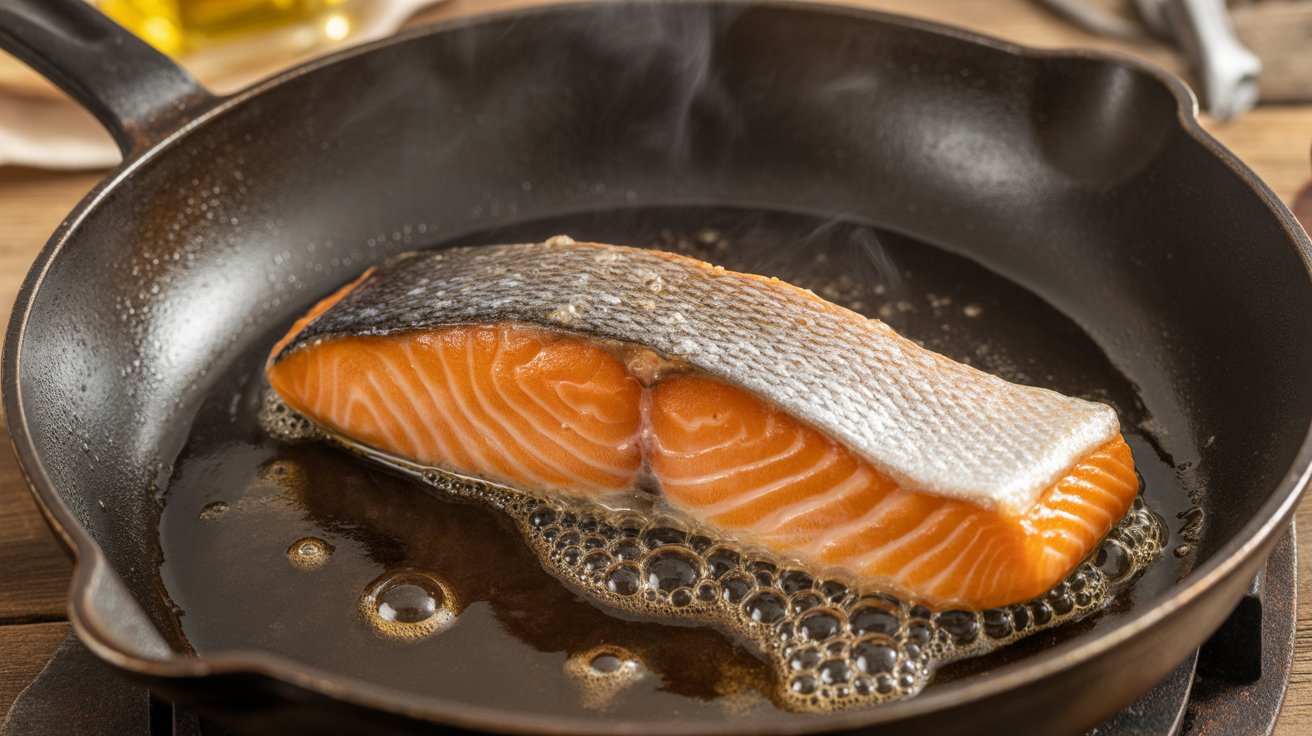
Step 2: Place Salmon Skin-Side Down
I gently lay the salmon skin-side down away from me. The pan should sizzle immediately. If it doesn’t, wait longer next time.
Here’s the hard part: don’t touch it. Seriously. Walk away if you must.
Step 3: Let the Skin Crisp
I cook skin-side down for about 5–7 minutes, depending on thickness. The salmon cooks mostly from this side, so patience pays off.
Want a trick? Watch the color climb up the sides of the fillet. Once it reaches about 70%, you’re ready to flip.
Step 4: Flip Once
I flip the salmon carefully and cook the flesh side for 1–2 minutes. That’s it. Overcooking happens fast here.
I add butter, garlic, or herbs at this stage and spoon the butter over the fish. That move feels fancy, but it takes 30 seconds.
Step 5: Rest Briefly
I let the salmon rest for a minute off the heat. Juices settle, texture improves, and everything just works better.
How to Know When Panfried Salmon Is Done
Guessing leads to dry salmon. I stopped guessing.
Visual Cues
- Flesh turns opaque
- Salmon flakes easily with a fork
- Center looks slightly glossy
Temperature Check
I aim for 125–130°F for medium and 135°F for well-done. Salmon keeps cooking after you pull it, so stop early.
Ever overcooked salmon by “just one more minute”? Yeah, we’ve all been there
Common Panfrying Mistakes (And How to Avoid Them)
I made every mistake so you don’t have to.
Mistake 1: Moving the Fish Too Soon
Let the crust form. The salmon releases naturally when it’s ready.
Mistake 2: Using Low Heat
Low heat steams salmon instead of frying it. You want confident heat, not timid heat.
Mistake 3: Overcrowding the Pan
Crowding drops the temperature and ruins the crust. Cook in batches if needed.
Mistake 4: Overcooking
Salmon finishes fast. Blink and it’s dry.
Flavor Variations That Actually Work
Once you master the basics, flavor becomes fun.
Classic Lemon Butter
Butter, garlic, lemon juice, and parsley. Simple and undefeated.
Honey Soy Glaze
Add soy sauce and honey in the last minute. The glaze thickens fast, so stay alert.
Spicy Cajun Style
Rub salmon with Cajun seasoning before cooking. Bold, smoky, and perfect with rice.
Each variation keeps the core technique the same. That’s the beauty of learning how to panfry salmon fillets correctly.
What to Serve With Panfried Salmon
Salmon plays well with a lot of sides. I rotate these constantly.
Easy pairings:
- Roasted potatoes or mashed potatoes
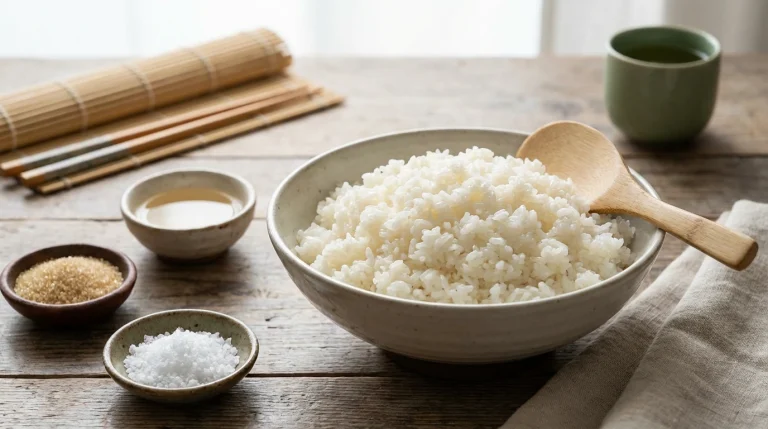
- Steamed rice or quinoa
- Simple green salad
- Garlic sautéed vegetables
Want my lazy favorite? Salmon over rice with leftover pan butter. Zero regrets.
Leftovers and Reheating Tips
Panfried salmon tastes best fresh, but leftovers happen.
I reheat gently in a pan over low heat with a splash of water or butter. Microwaves dry salmon out fast, and nobody wants rubbery fish.
Cold salmon also works surprisingly well in salads or wraps. Waste nothing.
Final Thoughts
Once you learn how to panfry salmon fillets, you unlock a reliable, impressive meal you can make anytime.
You don’t need chef skills, fancy tools, or endless prep.
You just need heat, patience, and confidence.
So next time you stare at salmon in the fridge wondering what could go wrong, remember this: hot pan, skin-side down, and don’t mess with it. Cooking should feel fun, not stressful.