
Korean Seaweed Soup Recipe
Ever craved something warm, comforting, and low-key magical without spending hours in the kitchen? Korean seaweed soup, also known as miyeok-guk, delivers exactly that.
This soup feels light but nourishing, simple but deeply flavorful, and honestly… a little underrated IMO.
I first tried it thinking, “Okay, seaweed soup, how exciting can this be?” Turns out, very exciting.
Let me walk you through why this humble bowl deserves a permanent spot in your recipe rotation.
Why Korean Seaweed Soup Hits Different
Korean seaweed soup doesn’t try to show off, and that’s exactly why it works.

The flavors stay clean, the ingredients stay minimal, and the end result feels like comfort food that actually cares about you.
Ever wondered why Koreans serve this soup on birthdays? That alone tells you everything.
This soup traditionally symbolizes care and nourishment, especially for new mothers.
But you don’t need a birthday or a special occasion to enjoy it. You just need a pot, some dried seaweed, and a craving for something soothing.
What Exactly Is Korean Seaweed Soup?
Korean seaweed soup, or miyeok-guk, uses dried seaweed simmered in a savory broth, usually made with beef or seafood.
The soup tastes clean, slightly briny, and deeply comforting without feeling heavy.
It feels like the kind of meal your body thanks you for afterward.
People often assume seaweed soup tastes “fishy.” Nope. When you prepare it right, the flavor stays mild, savory, and balanced. Think umami, not ocean punch to the face.
Ingredients You’ll Need (Nothing Fancy, Promise)
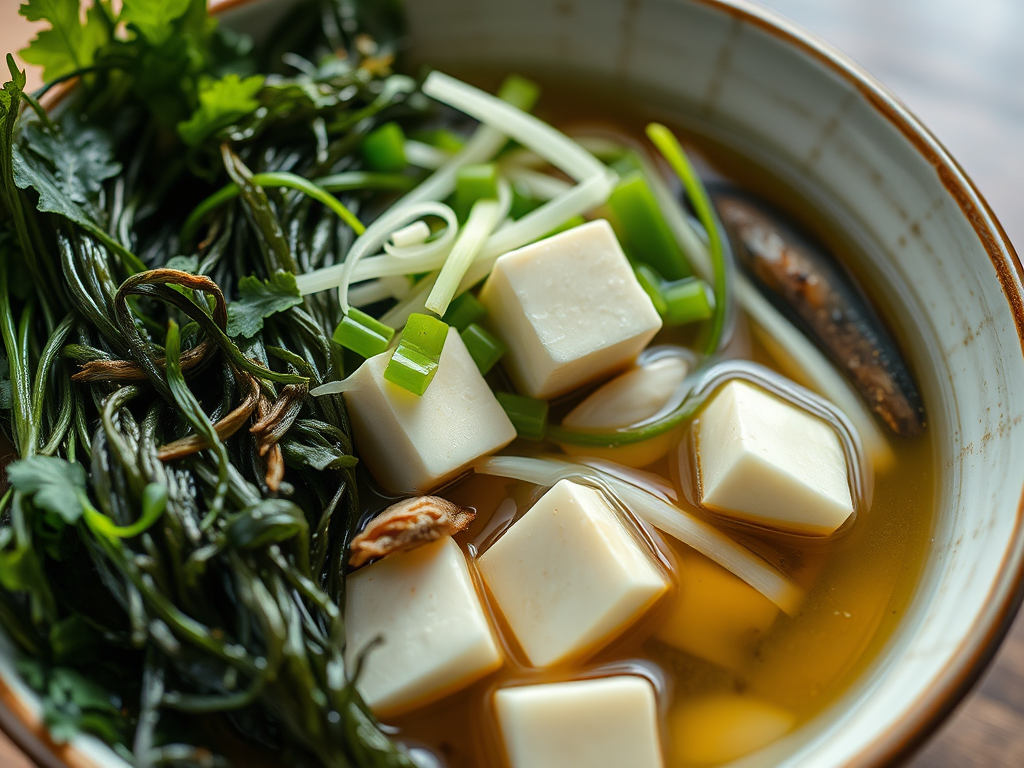
You don’t need a specialty store or a culinary degree to pull this off. This recipe keeps things simple, and that’s part of the charm.
Core Ingredients
- Dried miyeok (Korean seaweed)
- Beef brisket or soup beef (you can swap for seafood if you want)
- Garlic, minced
- Sesame oil
- Soy sauce or soup soy sauce
- Salt
- Water or anchovy-kelp broth
That’s it. No long grocery list, no mystery powders. FYI, Korean soup soy sauce tastes lighter and saltier than regular soy sauce, but regular soy sauce still works just fine.
How to Prep the Seaweed Without Stress
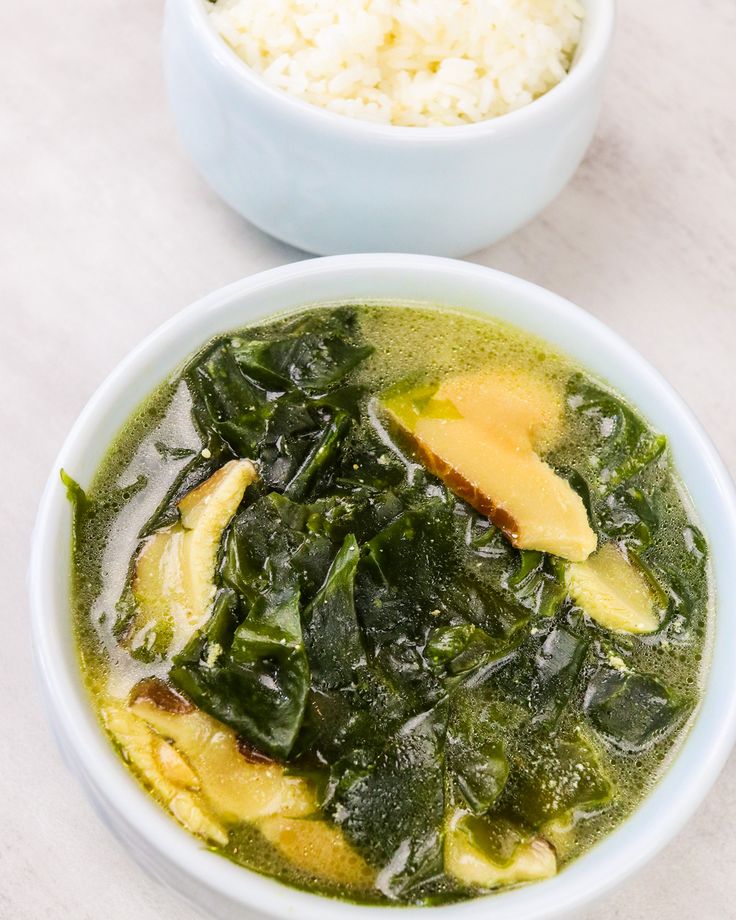
Seaweed prep scares people for no reason. You soak it, you rinse it, you move on with life. That’s literally it.
Seaweed Prep Steps
- Soak dried seaweed in cold water for 10–15 minutes.
- Watch it expand like it just unlocked a growth cheat code.
- Rinse it thoroughly and squeeze out excess water.
- Cut it into bite-sized pieces if needed.
Don’t skip the rinsing step, unless you enjoy gritty soup (spoiler: you don’t).
Choosing the Best Protein for Your Soup
Most traditional versions use beef, and I fully support that choice.
Beef adds richness and depth without overpowering the seaweed. Seafood versions work great too, especially with clams or mussels.
Protein Options Compared
- Beef brisket: Rich, classic, deeply comforting.
- Clams or mussels: Lighter, ocean-forward, super clean.
- Shrimp: Quick-cooking and mildly sweet.
- Tofu: Great plant-based option with a gentle texture.
IMO, beef gives the most satisfying result if you want that traditional Korean seaweed soup recipe experience.
Step-by-Step Korean Seaweed Soup Recipe
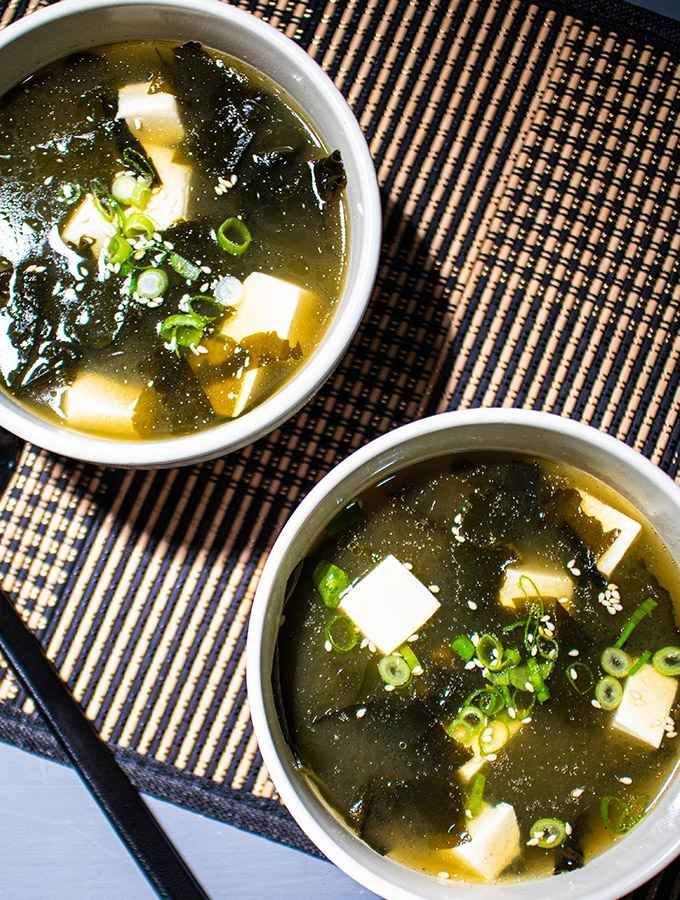
Let’s get into the actual cooking, because reading about soup only gets you so far.
Step 1: Sauté for Flavor
Heat a pot over medium heat and add sesame oil. Toss in the soaked seaweed and minced garlic.
Stir everything for a couple of minutes until the aroma hits you. That nutty garlic-sesame smell means you’re doing it right.
Step 2: Add the Beef
Add your sliced beef and stir until it loses its raw color. The beef absorbs the sesame oil and garlic flavor here, which sets the foundation for the entire soup.
Ever notice how Korean soups build flavor early? This step explains why.
Step 3: Pour in the Broth
Add water or anchovy-kelp broth and bring everything to a gentle boil. Lower the heat and let it simmer for about 25–30 minutes. Low and slow wins here, no rushing allowed.
Step 4: Season Carefully
Add soy sauce and salt gradually. Taste as you go. This soup tastes best when it stays balanced, not overly salty or bland.
Why This Soup Tastes Better the Longer It Simmer
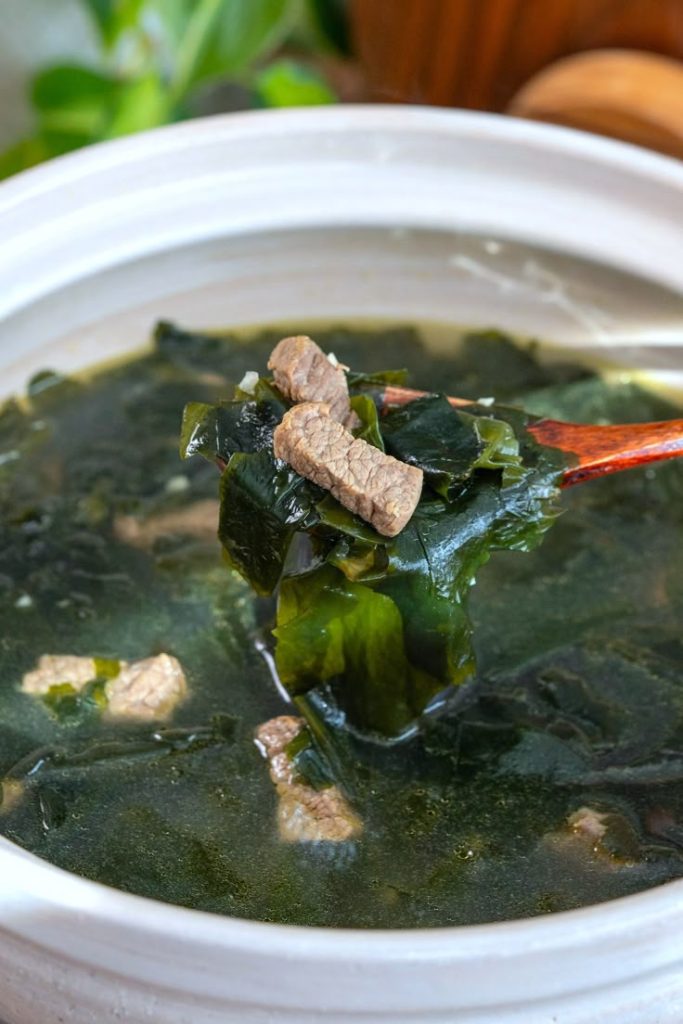
Time works magic here. As the soup simmers, the seaweed softens and releases subtle umami, while the beef deepens the broth.
You don’t need aggressive seasoning because the ingredients do the heavy lifting.
Ever noticed how some soups taste “flat” on day one? This one actually improves with time, which makes leftovers a total win
Common Mistakes to Avoid (Learn From Me)
I messed this soup up before, so you don’t have to. Here’s what not to do.
- Over-salting early: The broth concentrates as it simmers.
- Skipping sesame oil: That nutty base matters more than you think.
- Under-soaking the seaweed: Crunchy seaweed ruins the vibe.
- Boiling too hard: Gentle simmer equals clean flavor.
Avoid these, and your Korean seaweed soup recipe will taste legit every time.
Nutritional Benefits That Actually Matter
This soup doesn’t just taste good. It supports your body in quiet, practical ways. No exaggerated health claims here, just solid benefits.
Why Your Body Loves This Soup
- Seaweed provides iodine, which supports thyroid health.
- Low calories, high satisfaction, perfect for lighter meals.
- Mineral-rich broth hydrates and nourishes.
- Easily digestible, even when you feel under the weather.
Ever crave food that feels comforting without knocking you out afterward? This soup nails that balance.
Why Koreans Eat This Soup on Birthdays
This part always fascinates people. Korean seaweed soup honors mothers and new beginnings.
Women traditionally eat it after childbirth because it supports recovery. Over time, birthdays adopted the soup as a symbol of gratitude and life.
Eating it on your birthday feels oddly grounding. It reminds you to slow down and appreciate simple nourishment. Not a bad tradition, right?
How to Customize This Soup Without Ruining It
You can tweak this recipe without disrespecting its roots. Just keep changes intentional.
Easy Customizations
- Add tofu for extra protein.
- Toss in radish slices for subtle sweetness.
- Use anchovy-kelp broth for deeper umami.
- Finish with a tiny drizzle of sesame oil for aroma.
Don’t overload it with vegetables or spices. This soup thrives on restraint.
How to Serve Korean Seaweed Soup Like a Pro
Koreans typically serve this soup with rice and a few simple side dishes. You don’t need a full spread, but pairing matters.
Best Pairings
- Steamed white rice
- Kimchi
- Simple sautéed vegetables
- Grilled fish or eggs
The soup works as a grounding centerpiece, not a flashy main.
Storing and Reheating Tips
This soup stores beautifully. Honestly, it might taste better the next day.
- Store in an airtight container for up to 3 days.
- Reheat gently over low heat.
- Add a splash of water if the broth thickens.
Avoid microwaving on high unless you enjoy uneven heating
Why This Korean Seaweed Soup Recipe Always Wins
This recipe succeeds because it respects simplicity. It doesn’t rely on shortcuts or gimmicks.
It uses time, balance, and a few quality ingredients to create something genuinely comforting.
Ever notice how the best recipes don’t scream for attention? They just quietly become staples. That’s exactly what happens here.
Final Thoughts
Absolutely. Korean seaweed soup delivers comfort without complication, nourishment without heaviness, and flavor without chaos.
You don’t need advanced skills or rare ingredients. You just need a little patience and curiosity.
If you want a soup that feels like a warm reset button, give this one a shot.
And once you make it the first time, don’t be surprised if it quietly becomes your go-to. Trust me, future-you will thank you.