The Best Split Pea Soup Recipe
Ever had one of those days where you just want a bowl of something warm, filling, and ridiculously comforting?
Yeah, same. That’s exactly where the best split pea soup recipe earns its crown. This isn’t fancy food pretending to be simple.
This is real, honest, stick-to-your-ribs soup that shows up when you need it most. And IMO, if a soup can make you feel better after a long day, it deserves some respect
I’ve cooked split pea soup more times than I can count. I’ve messed it up, overcooked it, under-seasoned it, and somehow still eaten it anyway.
Over time, I nailed down what actually works. Let’s talk about how to make the best split pea soup recipe without turning it into a culinary science project.
Why Split Pea Soup Never Goes Out of Style
Split pea soup doesn’t chase trends. It doesn’t care about food fads. It just shows up, does its job, and tastes amazing while doing it.
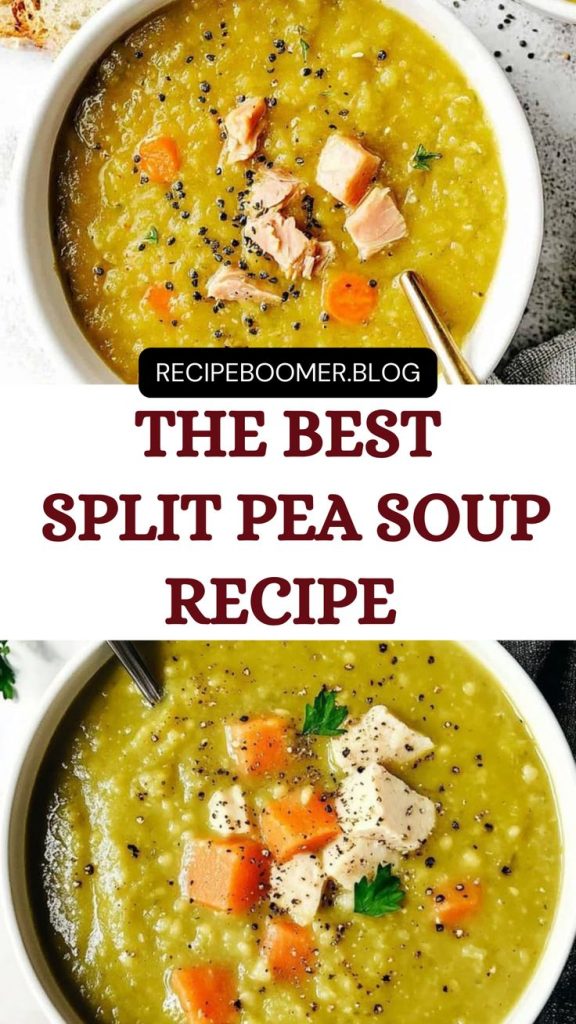
People love it because it hits three major wins at once:
- It’s hearty enough to be a full meal
- It uses simple, affordable ingredients
- It tastes even better the next day
Ever notice how some soups feel like a snack pretending to be dinner? Split pea soup doesn’t pull that nonsense.
One bowl actually fills you up. Two bowls and you’re done for the night. Ever wondered why it feels so satisfying? That combo of protein, fiber, and slow-simmered flavor works magic.
The Secret Behind the Best Split Pea Soup Recipe
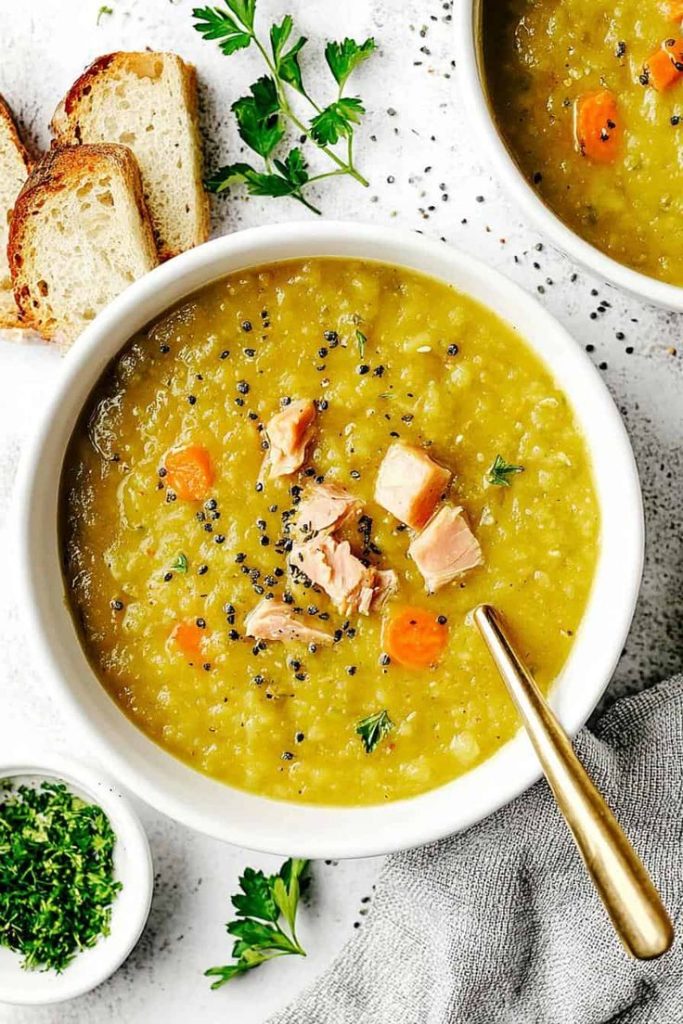
Let’s clear something up right now. The best split pea soup recipe isn’t about fancy tricks. It’s about patience, balance, and not skipping the boring steps.
It Starts With Quality Split Peas
You don’t need a brand-name bag with gold lettering. You just need fresh, clean split peas that haven’t been hiding in your pantry since 2017.
Here’s what I always check:
- Bright green or yellow color
- No dust or broken debris
- Even-sized peas for consistent cooking
Old split peas cook unevenly. That’s how you end up with crunchy bits in an otherwise creamy soup. Nobody wants that :/
Low and Slow Wins Every Time
If you rush split pea soup, it punishes you. Trust me, I’ve tried. A gentle simmer pulls flavor from every ingredient, especially if you use a smoked meat or rich stock.
I always let it simmer long enough that:
- The peas break down naturally
- The broth thickens without flour
- The flavors blend instead of fighting
Ever tasted split pea soup that feels thin and bland? That usually comes from rushing the pot.
Ingredients That Actually Matter
You’ll see endless ingredient lists online, but the best split pea soup recipe keeps things focused. Each ingredient earns its spot.
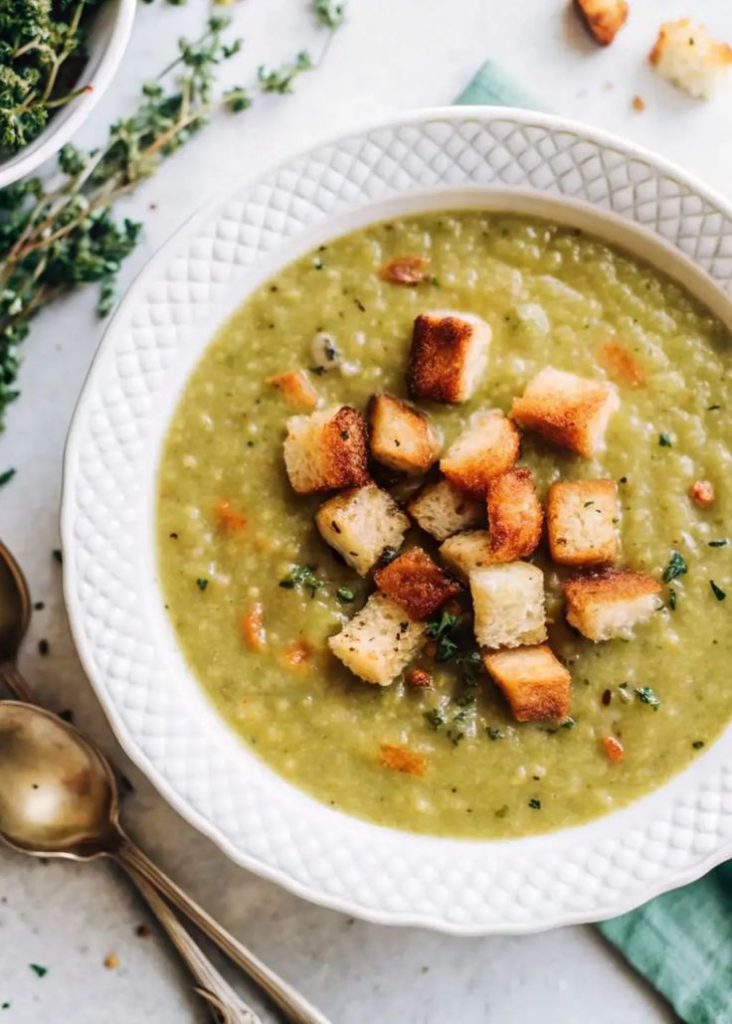
The Core Ingredients You Can’t Skip
These form the backbone of the soup:
- Split peas – obviously, the star of the show
- Onion, carrot, and celery – classic flavor base
- Garlic – because flavor matters
- Stock or broth – water works, but stock wins
- Smoked meat or seasoning – ham, bacon, or smoked paprika
This combo creates depth without overcomplicating things. Ever wonder why restaurant soups taste richer? They layer flavors instead of dumping spices at the end.
Optional Add-Ins That Elevate Flavor
I rotate these depending on mood:
- Bay leaves for subtle aroma
- Thyme or rosemary for earthiness
- Black pepper for gentle heat
FYI, I avoid adding salt early if I use smoked meat. That stuff brings enough salt on its own.
Step-by-Step: How I Make the Best Split Pea Soup Recipe
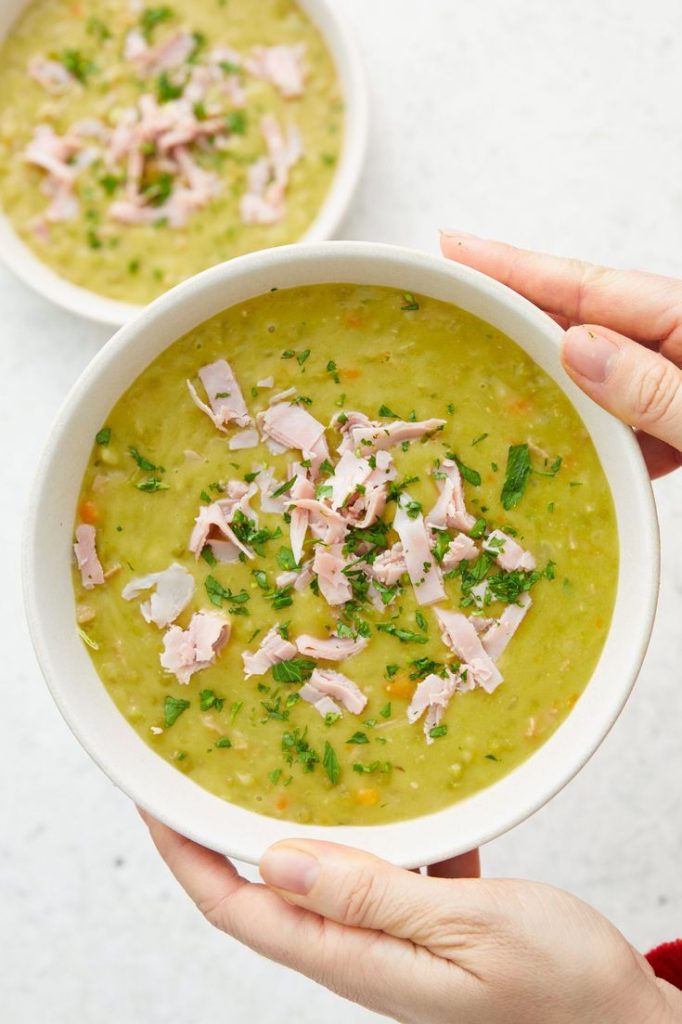
I’ll keep this real and practical. No chef theatrics.
Step 1: Build the Flavor Base
I start by sautéing onion, carrot, and celery in a heavy pot. I stir until everything softens and smells amazing. This step sets the tone for the entire soup.
Skipping this step gives you soup that tastes flat. Why sabotage yourself?
Step 2: Add Garlic and Spices
I toss in garlic and stir for about 30 seconds. I keep it moving so it doesn’t burn. Burnt garlic ruins soup faster than almost anything.
Step 3: Add Split Peas and Liquid
I rinse the split peas, then add them straight to the pot. I pour in stock until everything sits comfortably submerged. I drop in bay leaves and smoked meat if I use it.
At this point, the soup already smells promising.
Step 4: Simmer Patiently
I bring the pot to a gentle boil, then reduce it to a simmer. I partially cover it and let time do the work. I stir occasionally to prevent sticking.
After about an hour, the soup thickens. After ninety minutes, it turns luxurious. Ever noticed how the texture suddenly transforms? That’s the peas breaking down naturally.
Step 5: Adjust and Finish
I remove bay leaves and any bones. I taste and adjust seasoning. Sometimes I add black pepper or a splash of water if it thickens too much.
That’s it. No blender required unless you like it ultra-smooth.
Texture: Chunky vs Smooth (The Real Debate)
People get weirdly passionate about this. I get it.
Chunky Style
Chunky split pea soup feels rustic and filling. You see the vegetables. You taste each bite.
Best if you:
- Love texture
- Want a hearty feel
- Serve it with crusty bread
Smooth Style
Smooth soup feels creamy without cream. A quick blend transforms it.
Best if you:
- Prefer a velvety texture
- Serve picky eaters
- Want a refined presentation
IMO, both versions work. The best split pea soup recipe adapts to how you like to eat.
Common Mistakes That Ruin Split Pea Soup
I’ve made every mistake on this list so you don’t have to.
Adding Salt Too Early
Smoked meats release salt as they cook. Adding salt early can turn your soup into a sodium bomb.
Cooking Too Fast
High heat causes peas to stick and burn. Slow simmer equals better flavor and texture.
Skipping the Stir
Split peas sink. They stick. Stirring prevents scorching and bitterness.
Ever had soup with a weird burnt aftertaste? That’s usually the bottom of the pot talking.
Why This Is the Best Split Pea Soup Recipe for Meal Prep
This soup loves leftovers. It thrives in the fridge.
It Gets Better Overnight
The flavors deepen as it rests. The texture thickens just enough. Day-two soup often tastes better than day one.
It Freezes Beautifully
I freeze it in portions and reheat when needed. It saves time and money, which always feels like a win.
It Stretches Without Losing Flavor
Add a splash of water or stock when reheating, and it tastes freshly made.
How to Serve Split Pea Soup Like a Pro
Presentation matters, even for humble soup.
I like serving it with:
- Crusty bread or garlic toast
- A drizzle of olive oil
- Cracked black pepper on top
Ever notice how simple garnishes make food feel intentional? It tricks your brain in the best way.
Health Benefits You Actually Feel
Split pea soup doesn’t scream “health food,” but it quietly delivers.
Why It Keeps You Full
- High fiber content
- Plant-based protein
- Slow-digesting carbs
This combo stabilizes energy instead of causing crashes.
Budget-Friendly Nutrition
Split peas cost less than most proteins. They store well and deliver serious nutrition for pennies.
That’s hard to beat.
Final Thoughts on the Best Split Pea Soup Recipe
This soup doesn’t need hype. The best split pea soup recipe earns loyalty through comfort, flavor, and reliability.
It shows up on cold nights, busy weeks, and lazy Sundays without complaint.
If you’ve never made split pea soup from scratch, now’s the time.
If you’ve made it before, maybe tweak one step and see how much better it gets. Either way, grab a spoon and enjoy the process.
Because sometimes, the best meals come from the simplest pots. And honestly, that’s kind of comforting, isn’t it?