Yard House Fontina Vodka Penne Recipe
So you’ve been to Yard House, right? And you tried that creamy, dreamy Fontina Vodka Penne that basically ruins you for all other pasta dishes?
Yeah, me too. I left that restaurant thinking about it for days—maybe weeks if I’m being honest.
The good news? You don’t need to drop $20+ every time you crave it. Let me show you how to make this at home, and trust me, it’s easier than you think.
What Makes This Pasta So Addictive?
Here’s the thing about Yard House’s Fontina Vodka Penne—it’s not your typical vodka sauce situation.
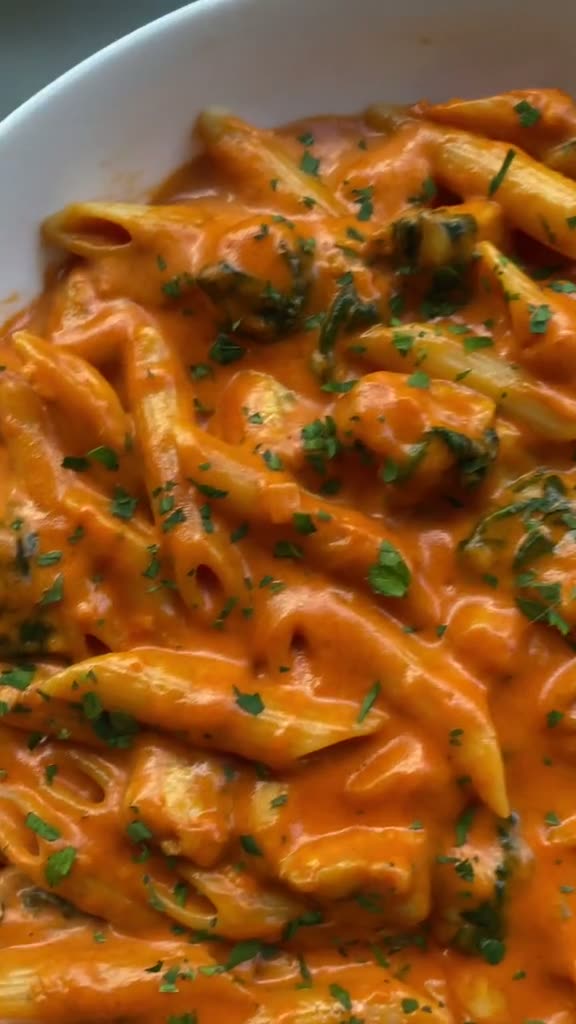
Most vodka sauces are tomato-forward with a hint of cream. This one?
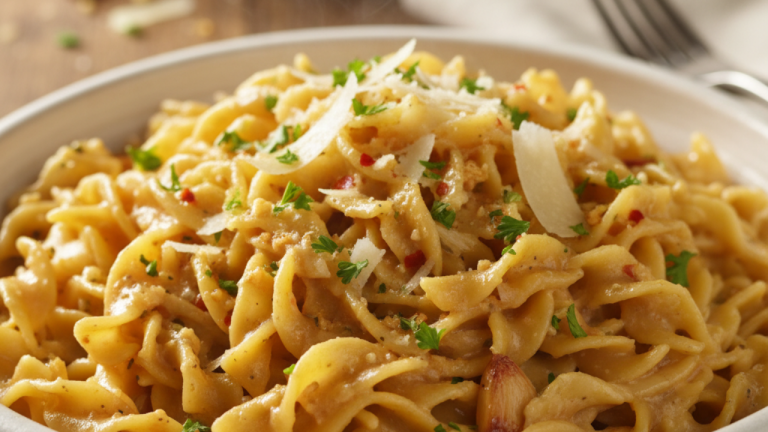
It flips the script. The fontina cheese creates this ridiculously rich, velvety base that coats every single penne like a luxurious blanket.
The vodka adds a subtle sharpness that cuts through all that richness, and the tomatoes just give it enough color to make it Instagram-worthy.
The first time I tried recreating it, I used regular mozzarella because I didn’t have fontina. Big mistake.
Fontina is non-negotiable here—it melts differently, tastes nuttier, and gives you that signature flavor profile. Don’t cut corners on the cheese, people.
Ingredients You’ll Actually Need
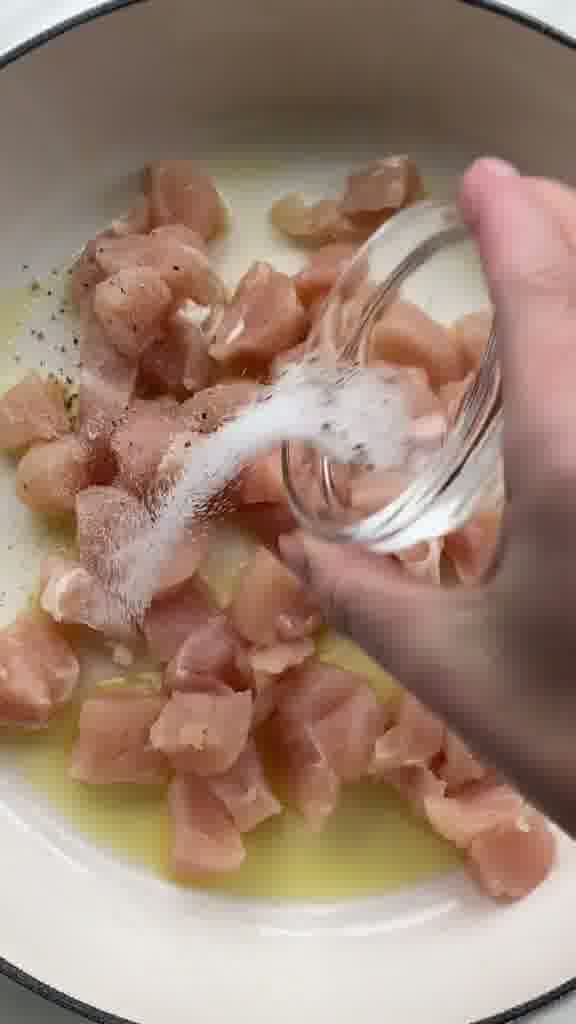
Let me break this down for you in a way that won’t send you on a wild goose chase through three different grocery stores:
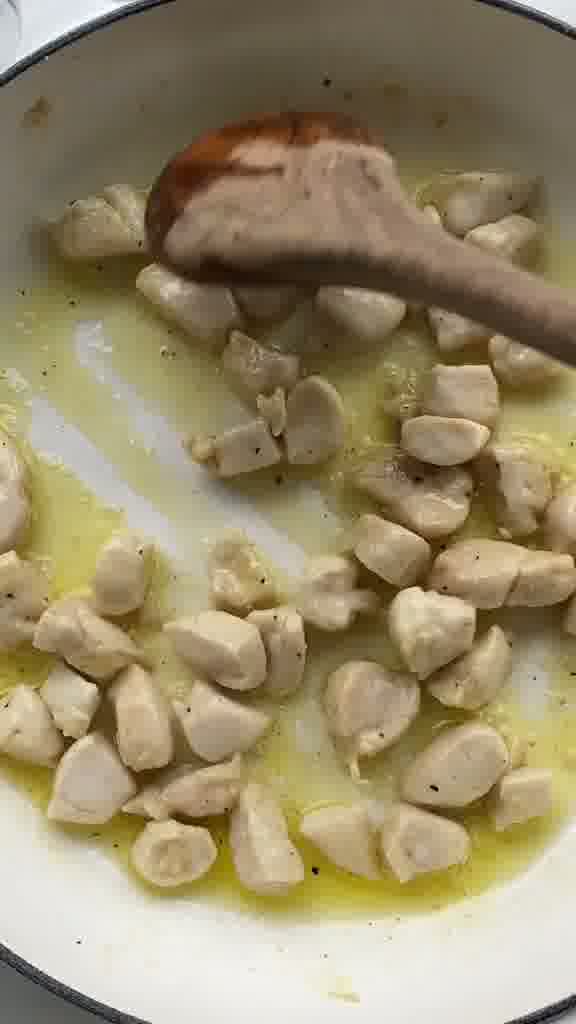
For the Pasta:
- 1 pound penne pasta (rigate works best because those ridges grab the sauce)
- Salt for pasta water (more than you think—make it taste like the ocean)
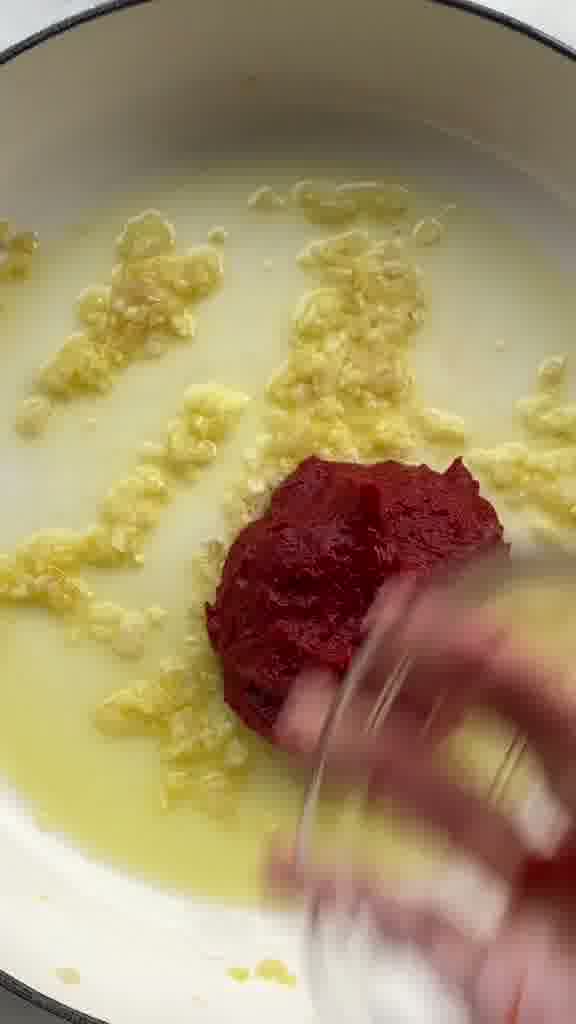
For the Sauce:

- 3 tablespoons butter (unsalted, so you control the salt)
- 4 cloves garlic, minced (don’t use the jar stuff, I’m begging you)
- 1/4 cup vodka (decent quality, but you’re not breaking out the Grey Goose)
- 1 cup heavy cream (yes, the full-fat kind)
- 1/2 cup crushed tomatoes (San Marzano if you’re feeling fancy)
- 2 cups fontina cheese, shredded (buy the block and shred it yourself—pre-shredded has anti-caking agents that mess with the melt)
- 1/2 cup Parmesan, grated
- Red pepper flakes (to taste, but don’t be shy)
- Salt and black pepper
- Fresh basil for garnish (optional but highly recommended)
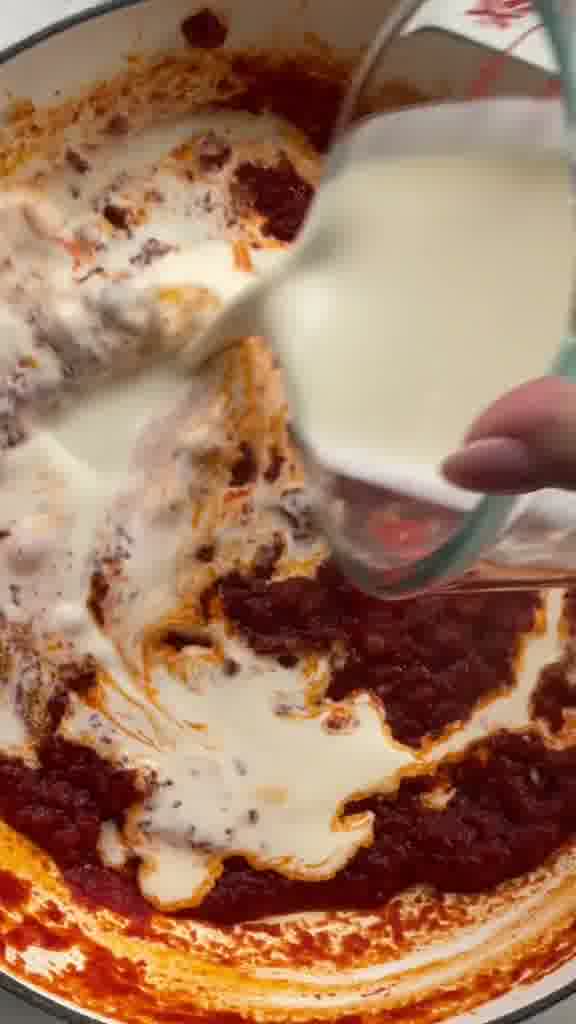
FYI, the vodka doesn’t make this boozy at all—the alcohol cooks off. It just helps release flavors in the tomatoes that water or cream can’t touch. Science is cool like that.

The Cooking Process (Step by Step)
Getting Your Pasta Perfect
Start by bringing a large pot of water to a rolling boil.
I’m talking aggressive bubbles here. Add enough salt that you’d be comfortable swimming in it (okay, maybe not that much, but close).
Drop your penne in and cook it until it’s al dente—that’s about 2 minutes less than the package directions say.
Why undercook it? Because it’s going to finish cooking in the sauce, and you don’t want mushy pasta.
Nobody wants mushy pasta. Before you drain it, save about a cup of that starchy pasta water. It’s liquid gold for adjusting your sauce consistency later.
Building That Killer Sauce
While your pasta’s doing its thing, grab a large skillet or sauté pan. Medium-high heat, toss in your butter, and let it melt until it starts getting a little foamy.
Add the minced garlic and sauté for about a minute—just until it’s fragrant. Burn it and you’ll hate yourself, so keep stirring.
Now comes the fun part. Pour in the vodka and stand back slightly because it might flame up (which is totally normal and makes you feel like a professional chef :).
Let it simmer for 2-3 minutes until it reduces by about half. You want most of that alcohol to cook off.
Creating the Creamy Base
Stir in your crushed tomatoes and let everything get friendly for another 2 minutes. Then pour in the heavy cream, stirring constantly.
Lower the heat to medium and let this mixture come to a gentle simmer. Don’t rush this part—you want the flavors to marry, not just live together awkwardly.
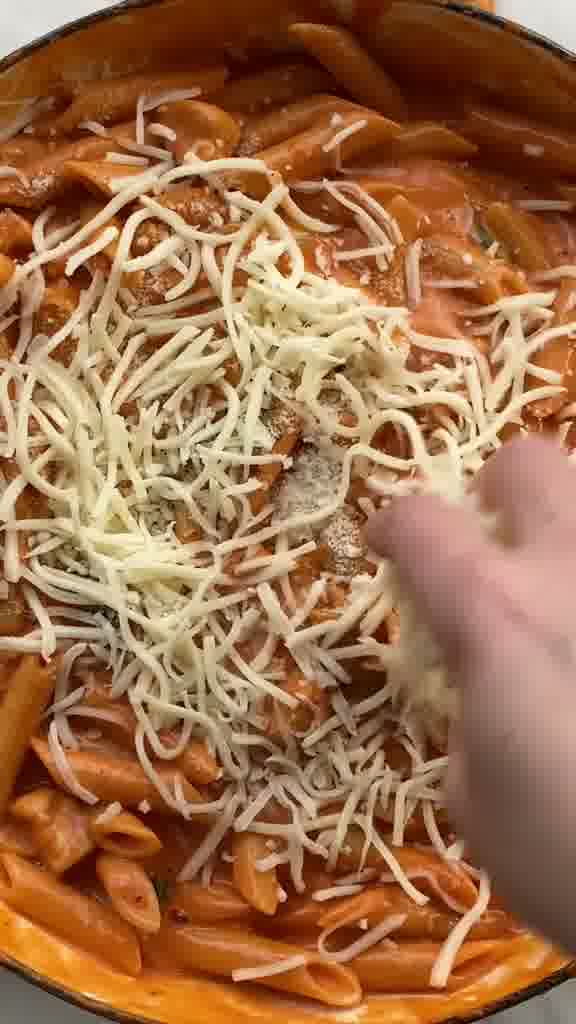
Here’s where the magic happens. Start adding your shredded fontina cheese in handfuls, stirring constantly.
Let each addition melt completely before adding more. This prevents clumping and ensures that silky smooth texture you’re after.
Once all the fontina’s in, add the Parmesan and keep stirring until everything’s melted and combined.
Season with salt, black pepper, and red pepper flakes. IMO, the heat from the red pepper is what takes this from good to “I need to marry this pasta.” Start with 1/4 teaspoon and adjust from there.
Bringing It All Together
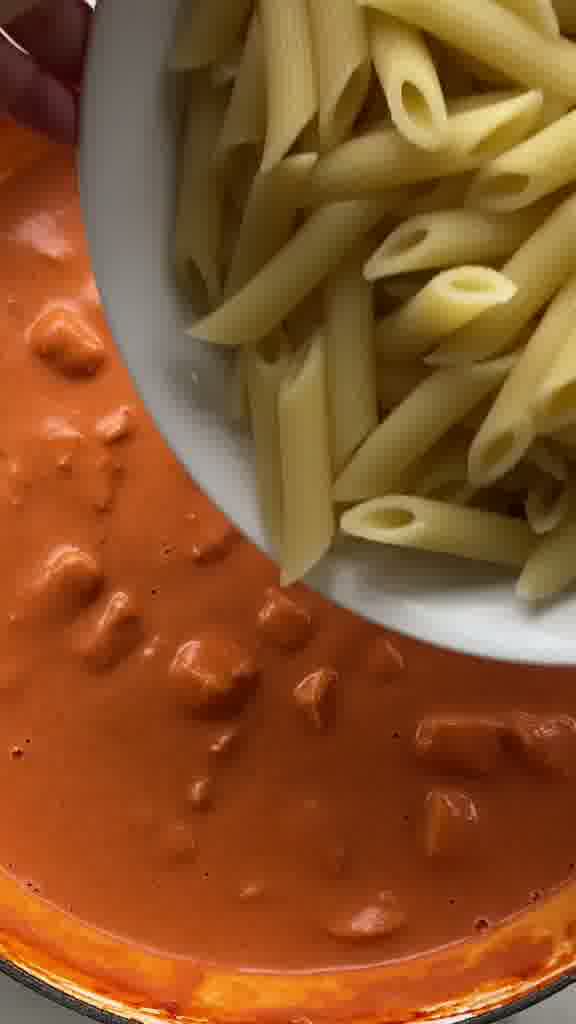
Drain your pasta (remember, you saved some pasta water, right?) and add it directly to your sauce.
Toss everything together using tongs, making sure every piece of penne gets coated.
If the sauce seems too thick, add pasta water a tablespoon at a time until you get that perfect, glossy consistency that clings to the pasta without being gloppy.
Pro Tips That’ll Level Up Your Game
Let me share some hard-earned wisdom here. First, room temperature cheese melts better. Take your fontina out of the fridge about 30 minutes before you start cooking.
Second, if you want to add protein (and honestly, why wouldn’t you?), grilled chicken or shrimp work beautifully. Cook them separately and toss them in at the end.
Want to know what really separates the home version from the restaurant? Fresh herbs. Tear some basil leaves over the top right before serving.
That fresh, aromatic hit makes people think you know what you’re doing even if you were panicking 10 minutes ago.
Also, invest in a good cheese grater or microplane.
Pre-shredded cheese has cellulose coating to prevent clumping, which means it won’t melt as smoothly. Is it more work to grate your own? Yeah. Does it matter? Absolutely.
Common Mistakes (And How to Avoid Them)
I’ve made every possible error with this recipe, so learn from my pain.
Don’t use skim milk or half-and-half thinking you’re saving calories—you’re just creating sadness in a bowl. The heavy cream is essential for that luxurious texture.
Another rookie move? Using dried basil instead of fresh for garnish. Dried herbs have their place, but garnishing isn’t one of them.
If you can’t get fresh basil, just skip it entirely rather than sprinkling dried green dust on top.
And please, for the love of all that’s holy, don’t overcook your pasta. Al dente exists for a reason. Mushy pasta won’t hold the sauce properly and turns the whole dish into a disappointing experience.
Making It Your Own
Ever wondered why restaurant dishes feel more customizable than home cooking?
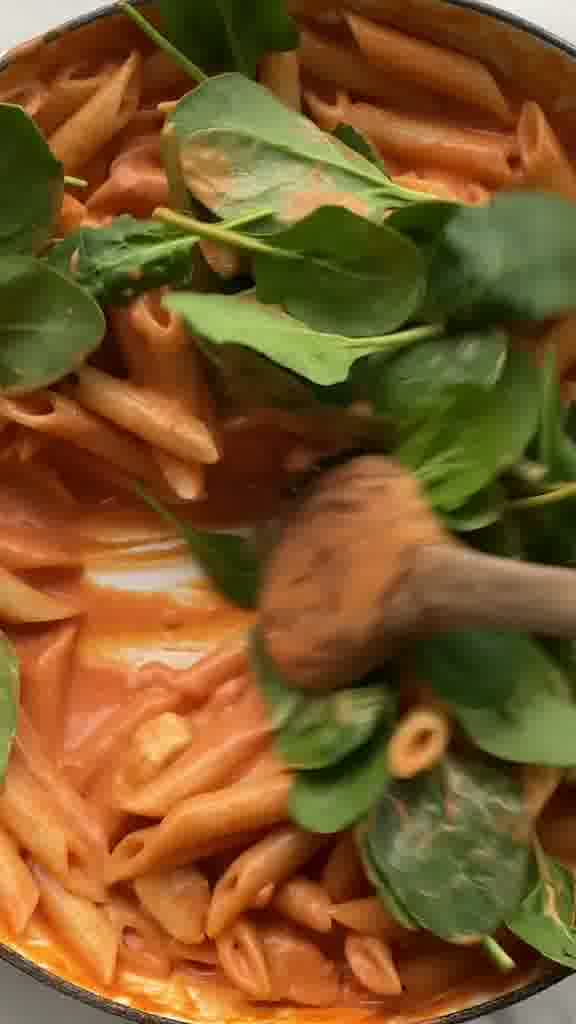
Because you’re in control now, my friend. Want to add sun-dried tomatoes? Go for it. Craving some Italian sausage? Brown it up and toss it in. Feel like throwing in some spinach or mushrooms? Do it.
I sometimes add a splash of balsamic vinegar at the end for a tiny bit of acidity that cuts through the richness. It’s not traditional, but who cares?
You’re cooking for yourself, not some Italian grandmother judging you from across the kitchen (though if you have one of those, maybe keep the balsamic addition to yourself).
Serving Suggestions
This pasta is rich—like, really rich. I usually serve it with a simple arugula salad dressed with lemon and olive oil. The peppery greens and bright citrus help balance out all that cream and cheese.
Some crusty garlic bread on the side doesn’t hurt either, though at that point you’re basically committed to an evening on the couch.
A crisp white wine pairs beautifully here. Pinot Grigio or Sauvignon Blanc work well, but honestly, whatever you like drinking is the right choice. I won’t judge if you go with beer instead—Yard House certainly wouldn’t :/.
The Bottom Line
Look, I’m not going to pretend this is health food. It’s indulgent, it’s rich, and it’s absolutely worth every single calorie.
The beauty of making it at home is that you control the quality of ingredients, the portion sizes, and you don’t have to wait for a table at a busy restaurant.
The whole thing comes together in about 30 minutes, which is less time than it would take to drive to Yard House, wait for a table, and get your food.
Plus, you can eat it in your pajamas, and that’s priceless.
Once you nail this recipe, you’ll start seeing it differently. It’s not just about copying a restaurant dish—it’s about understanding how flavors work together.
The vodka releasing compounds in the tomatoes, the fontina creating that creamy base, the pasta water helping everything emulsify perfectly. You’re basically a culinary wizard now.
So grab your ingredients, pour yourself a glass of something nice (there’ll be leftover vodka from the recipe, just saying), and get cooking.
Your taste buds will thank you, your wallet will thank you, and you’ll have a new go-to recipe for impressing literally anyone.
Trust me on this one—I’ve made this for friends who still bring it up months later. That’s the power of really good pasta.