Yard House Jambalaya Recipe: Your Ticket to Cajun Heaven
Look, I’m just going to say it—Yard House’s jambalaya is ridiculously good.
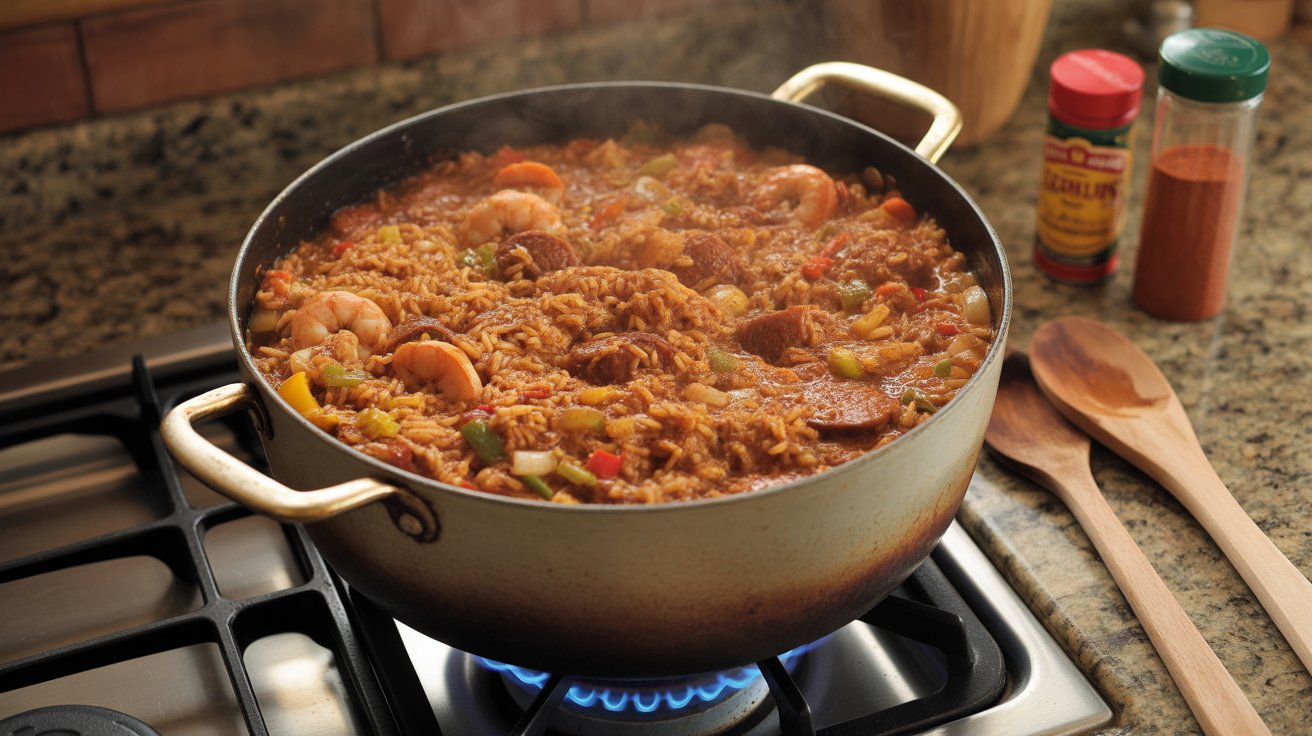
Like, “I’ll skip the appetizer and go straight for this” good. That perfect blend of smoky andouille, plump shrimp, tender chicken, and rice that’s absorbed every ounce of Creole magic?
Yeah, that’s the stuff dreams are made of.
But here’s the thing: you don’t need to drop $20+ at a restaurant every time that craving hits.
I’ve spent way too many evenings (and honestly, a few mornings) perfecting a copycat version that’ll make your taste buds do a happy dance. And guess what? It’s easier than you think.
Why This Jambalaya Recipe Actually Works
Ever wonder why some jambalaya recipes taste like seasoned sadness while others transport you straight to the French Quarter? It’s all about layering flavors and not cutting corners where it counts.
The secret lies in three things:
- Building your flavor base properly (we’re talking the “holy trinity” of Cajun cooking)
- Using quality proteins that can stand up to bold spices
- Letting everything marry together in one glorious pot
IMO, most home cooks mess up by rushing the process or skimping on spices because they’re afraid of heat. But jambalaya isn’t supposed to be timid—it’s a party in a pot, and everyone’s invited.
The Holy Trinity: Your Flavor Foundation
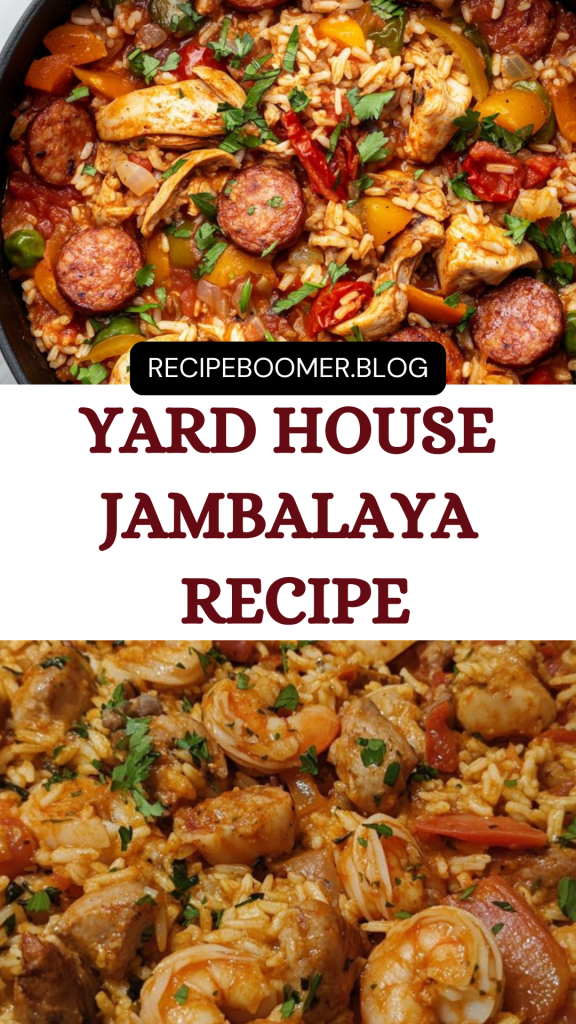
Before we even think about rice or protein, we need to talk about onions, celery, and bell peppers.
This trio is the backbone of practically every Cajun and Creole dish worth eating.
Here’s how I do it:
- 1 large yellow onion, diced (none of that pre-chopped stuff from a bag)
- 2 celery stalks, chopped
- 1 green bell pepper and 1 red bell pepper, diced
Why two peppers? Because the sweetness from the red pepper balances the earthiness of the green, and honestly, it looks way prettier. We eat with our eyes first, right? 🙂
Sauté these babies in a bit of oil until they’re soft and fragrant. This usually takes about 5-7 minutes, and your kitchen will start smelling absolutely incredible. Don’t rush this step—you’re building the foundation here.
Picking Your Proteins: The Trifecta of Awesome
A proper Yard House-style jambalaya needs three types of protein, and each one plays its part:
1. Andouille Sausage
This is non-negotiable, folks. Andouille brings that smoky, spicy punch that makes jambalaya, well, jambalaya. You’ll need about 12-14 ounces, sliced into rounds.
Pro tip: Brown the sausage first in your pot before you even start on the vegetables.
This renders some of that beautiful fat and creates little crispy edges that’ll make you want to snack on them before they even hit the rice. (Not that I’ve ever done that… multiple times.)
2. Chicken Thighs
Listen, you could use chicken breast, but why would you do that to yourself? Chicken thighs are juicier, more flavorful, and they don’t dry out during the cooking process. I use about 1 pound, cut into bite-sized pieces.
Season them generously with salt, pepper, and a bit of Cajun seasoning before they hit the pot. Brown them on all sides, then set them aside while you work on everything else.
3. Shrimp
The grand finale. I use about 1 pound of large shrimp (26-30 count), peeled and deveined. Here’s the key: add these last. Shrimp cook crazy fast, and nobody wants rubbery, overcooked shrimp in their jambalaya.
FYI, I usually toss mine in right at the end, letting them cook just until they turn pink—about 3-4 minutes tops.
The Spice Situation: Don’t Be Scared
Okay, real talk. If you’re worried about making this too spicy, you can always dial it back. But jambalaya is supposed to have a kick.
Not “call the fire department” heat, but enough to remind you that you’re eating something with personality.
Here’s my spice blend:
- 2 tablespoons Cajun seasoning (I like Tony Chachere’s, but use what you’ve got)
- 1 teaspoon smoked paprika
- 1 teaspoon dried thyme
- 1 teaspoon garlic powder
- 1 teaspoon onion powder
- ½ teaspoon cayenne pepper (adjust to your heat tolerance)
- 2 bay leaves
- Salt and black pepper to taste
Mix most of these together in a small bowl before you start cooking. It makes life easier when you’re juggling multiple ingredients.
Rice: The Make-or-Break Moment
Let’s talk about the elephant in the room: mushy rice. Nothing ruins jambalaya faster than rice that’s turned into porridge or, conversely, rice that’s crunchy and undercooked.
Use 2 cups of long-grain white rice. Not instant. Not minute rice. Real, actual long-grain rice. Jasmine works great, but plain old long-grain is perfect.
The ratio is crucial: For every cup of rice, you need about 2 cups of liquid. In our case, that’s going to be a combination of chicken broth and the liquid from a can of diced tomatoes.
Here’s the process:
- After you’ve browned your proteins and sautéed your vegetables, add your rice to the pot
- Stir it around for about 2 minutes, letting it toast slightly and absorb all those flavors
- Add 3½ cups of chicken broth and one 14.5-ounce can of diced tomatoes (with the juice)
- Throw in your bay leaves and spices
- Bring everything to a boil, then drop it to a simmer
- Cover and let it do its thing for about 20-25 minutes
And here’s the golden rule: Don’t. Touch. The. Lid. Seriously, I know you want to peek and stir, but resist the urge. Let the steam and heat work their magic undisturbed.
Bringing It All Together: The Final Assembly
Once your rice is about 80% cooked (it should still have a tiny bit of bite), it’s time to add back your cooked chicken and sausage. Nestle them into the rice, give everything a gentle stir, and let it cook for another 5 minutes.
Then comes the shrimp. Toss those pink beauties on top, cover again, and let them cook for 3-4 minutes until they’re just cooked through.
Remove from heat and let everything sit for about 5 minutes. This resting period lets the flavors meld and gives the rice a chance to absorb any remaining liquid.
The Finishing Touches (Because We’re Fancy Like That)
Right before serving, I like to add a few extras that take this from “really good” to “are you kidding me right now?!”
Fresh parsley: Chop up about ¼ cup and sprinkle it over the top. It adds color and a fresh note that cuts through all that richness.
Green onions: Sliced thin, these add a mild onion flavor and look gorgeous.
Hot sauce on the side: Because everyone’s heat tolerance is different. I’m a Crystal hot sauce loyalist, but use whatever makes your heart happy.
Lemon wedges: A squeeze of fresh lemon brightens everything up and adds a little acidity that balances the richness.
Common Mistakes (And How to Avoid Them)
Look, I’ve made this recipe enough times to know where things can go sideways. Let me save you some trouble:
Mistake #1: Using the wrong pot
You need a heavy-bottomed pot or Dutch oven. A thin pot will cause burning on the bottom, and that’s a fast track to Disappointment City.
Mistake #2: Cranking the heat too high
Once you add your rice and liquid, keep things at a gentle simmer. High heat = burned bottom and undercooked top. Not cute.
Mistake #3: Overcrowding the pot
If you’re doubling this recipe, use a bigger pot. Rice needs room to expand, and your proteins need space to cook properly.
Mistake #4: Overcooking the shrimp
I cannot stress this enough. Shrimp go from perfect to rubber in about 30 seconds. Set a timer if you have to.
Mistake #5: Skipping the resting time
That 5-minute rest after cooking isn’t optional. It’s when the magic really happens and everything comes together.
What to Serve Alongside
Jambalaya is pretty much a complete meal on its own, but if you want to go full Yard House experience, here are some killer sides:
- Cornbread: Sweet, buttery cornbread is perfection with jambalaya
- Simple green salad: Something light to balance all that richness
- Garlic bread: Because carbs on carbs is always acceptable
- Coleslaw: The crunch and tanginess are a great contrast
Storage and Reheating
One of the best things about jambalaya? It actually gets better the next day after all those flavors have had more time to hang out together.
Storage: Keep it in an airtight container in the fridge for up to 4 days.
The shrimp are the limiting factor here—if you’re planning to keep it longer, consider making it without the shrimp and adding fresh shrimp when you reheat.
Reheating: Add a splash of chicken broth or water (the rice absorbs liquid as it sits) and reheat gently on the stovetop or in the microwave.
The stovetop method gives you better results—just stir occasionally and heat until warmed through.
Freezing: Jambalaya freezes surprisingly well. Portion it out into freezer bags, press out the air, and freeze for up to 3 months. Thaw overnight in the fridge before reheating.
My Final Thoughts
Here’s the deal—you could spend $25 at Yard House for one serving, or you could make a gigantic pot of this for about $30 that’ll feed your entire family (or give you lunch for the week). The math is pretty simple.
Plus, there’s something incredibly satisfying about nailing a restaurant-quality dish at home.
The first time I made this and my partner took a bite, they looked at me like I’d performed actual magic. That moment alone made all the recipe testing worth it.
Is this jambalaya going to win awards in New Orleans? Maybe not. But is it going to make your Tuesday night dinner feel like an event?
Absolutely. And sometimes that’s all we really need—a dish that’s equal parts comforting and exciting, familiar and adventurous.
So grab your Dutch oven, round up your ingredients, and get ready to create some Cajun magic in your kitchen.
Your future self (the one enjoying a steaming bowl of this incredible jambalaya) will thank you. Trust me on this one.
Now if you’ll excuse me, all this talk about jambalaya has made me hungry. Time to make another batch!